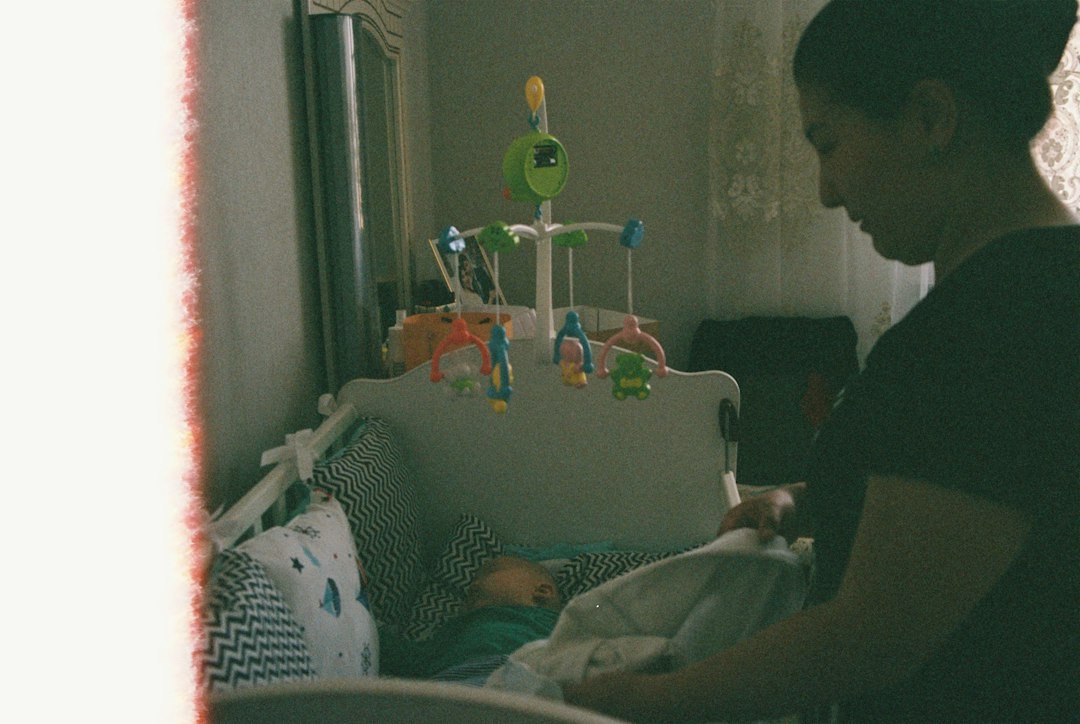

Quick answer: what to expect from newborn sleep patterns
Newborn sleep patterns are highly variable but predictable: most healthy newborns sleep 14–17 hours across 24 hours in short stretches (usually 1–4 hours), wake frequently to feed, cycle quickly between light and deep sleep, and may have day–night confusion during the first weeks. Use safe-sleep practices, follow feeding cues, and contact your clinician if breathing, color, feeding or excessive lethargy concerns arise.
Why newborn sleep looks so fragmented
At birth, infants haven’t developed the circadian rhythms or long slow-wave sleep adults have. Their sleep cycles are shorter (about 40–60 minutes) and a larger portion is active (REM-like) sleep, which makes them startle, move and wake more easily. Hunger, immature stomach capacity, and the need for frequent feeds also break sleep into many segments. Expect a pattern of short naps during the day and wakeful periods overnight in the first 6–12 weeks.
Typical timing and what “normal” means by week
- First 2 weeks: Total 16–18 hours, naps often 30–90 minutes, wakes every 1–3 hours to feed.
- 2–8 weeks: Still ~14–17 hours; some longer stretches (3–5 hours) appear, but overnight consolidation is uncommon.
- 8–12 weeks: Circadian cues start syncing—more wakefulness in evenings, slightly longer night stretches; naps may consolidate to 3–4 per day.
These are ranges; growth spurts, illness, travel, and changes in feeding (breastfeeding patterns, formula, introduction of pumped milk) temporarily alter sleep. If your baby consistently sleeps far less than these ranges or is very hard to rouse, call your pediatrician.
Recognizing sleep cues and choosing when to put baby down
Follow baby cues rather than the clock. Typical sleepy signs include yawning, rubbing eyes, glazed look, fussiness, decreased activity, or staring off. Aim to put baby down drowsy but awake when possible—this helps them learn self-soothing. If your newborn is overtired (crying, hyperalert), they’ll sleep more fitfully and wake more between cycles.

Safe-sleep basics that fit newborn patterns
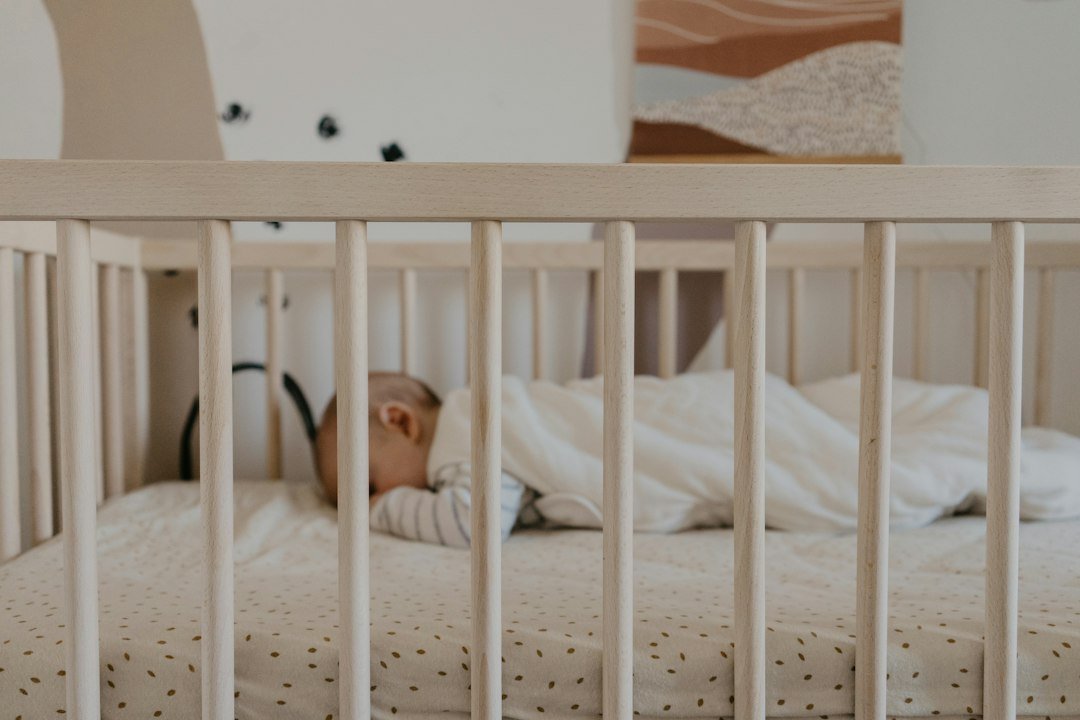
- Always place baby on their back for every sleep, on a firm, flat surface with a fitted sheet.
- Keep soft objects, bumpers, loose blankets and pillows out of the sleep area; use a wearable sleep sack instead of loose blankets.
- Room-share for the first 6 months (same room, different surface) to make feeding and monitoring easier while reducing SIDS risk.
- Avoid overheating—dress baby in one more layer than you would wear and keep room temperature comfortable (around 68–72°F / 20–22°C is common guidance).
Practical soothing strategies that match newborn sleep cycles
Because sleep cycles are short, expect frequent returns to wakefulness. Try these low-risk strategies:
- Feed before long stretches of sleep: newborns often need feeding at night; offer a feeding when they show early hunger cues.
- Cluster care: group diaper changes, feeding, and settling to reduce repeated awakenings during short nights.
- Use predictable, calming cues: dim lights, low voices, a consistent swaddle or sleep sack, and gentle rocking or shushing—copying womb-like sensations helps.
- White noise at safe volume can smooth transitions between cycles; keep volume low and speaker away from the crib.
Day–night confusion and what helps reset sleep timing
Newborns often mix day and night early on. Help nudge circadian rhythm by:
- Exposing baby to natural daylight during awake daytime periods (windows, outdoor stroller walks).
- Keeping nighttime interactions calm and dim—minimal stimulation during feeds and changes.
- Encouraging longer awake windows gradually as they approach 6–8 weeks; very young infants need frequent naps though.
When to call a clinician
Contact your baby’s clinician promptly if you notice:
- Difficulty breathing, persistent color change (blue or pale), or choking that doesn’t resolve.
- Very poor feeding (fewer than usual wet diapers), high-pitched or weak cry, or difficulty waking for feeds.
- Episodes of limpness, repeated vomiting, fever in newborns under 2 months, or concerns about weight gain.
For non-urgent but concerning patterns—extreme sleepiness, persistent inability to settle, or parental anxiety about routines—ask for a check or guidance by phone; clinicians can triage and give tailored advice.
Small troubleshooting scenarios and simple fixes
- Short naps (20–30 minutes): try gentle resettling at the start of a new cycle—patting, soft sound, or brief feeding if hungry—but avoid stimulating lights or loud interaction.
- Frequent night wakings that began suddenly: check for illness, feeding changes, reflux signs, or developmental leaps; consult your clinician if concerned.
- Overtired baby who won’t settle: reset with a short calming routine—feed, cuddle in dim light, swaddle, and try a motion or white-noise cue to help drop into sleep.
- Place baby on back in a firm crib with no loose bedding.
- Watch for early sleep cues and put down drowsy-but-awake when possible.
- Group care activities to minimize repeated night arousals.
- Use gentle, consistent calming cues (swaddle, dark room, soft sound).
- Keep daytime light exposure and nighttime dimness to support circadian rhythm.
- Contact your clinician for breathing, color, feeding, or extreme lethargy concerns.
Newborn sleep is fragmented and evolves quickly; expect short cycles, frequent feeds, and gradual day–night alignment. Prioritize safe sleep, respond to cues, and use simple calming routines while consulting your pediatrician for worrying signs.
How many hours do newborns sleep at night?
Newborns typically don’t sleep through the night; night sleep is split into multiple short stretches, and total nighttime sleep may be 8–9 of the 14–17 daily hours, broken by feeds every 2–4 hours.
Is it okay to let a newborn cry for a bit to self-soothe?
Brief settling is fine; prolonged unattended crying in very young infants may signal needs (feeding, diaper, discomfort). Use cue-based comforting and consult your pediatrician about strategies as your baby grows.
When will my newborn start sleeping longer stretches?
Many infants begin longer stretches around 6–12 weeks as circadian rhythms mature and feeding patterns stabilize, but timing varies widely.
Can swaddling help newborn sleep?
Swaddling can reduce startle and help sleep if done safely—stop swaddling once baby shows rolling signs. Ensure hips can move and the swaddle isn’t too tight around the chest.
Should I worry about short naps?
Short naps are normal for newborns. If naps are consistently very short and the baby is hard to settle or not gaining weight, discuss with your clinician.