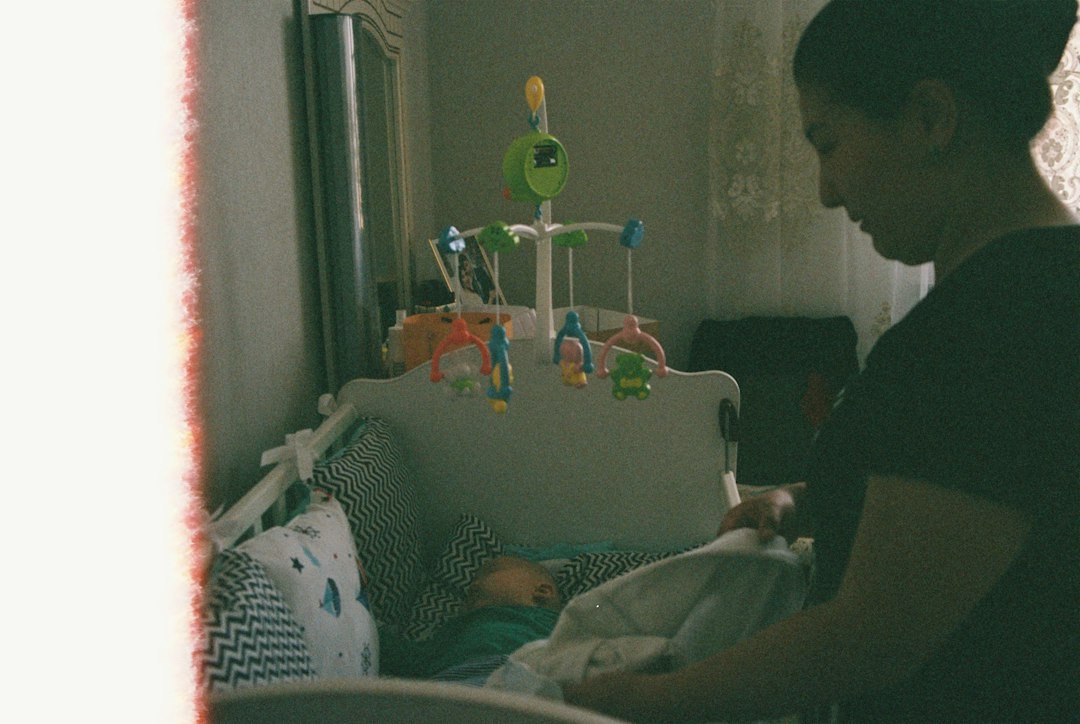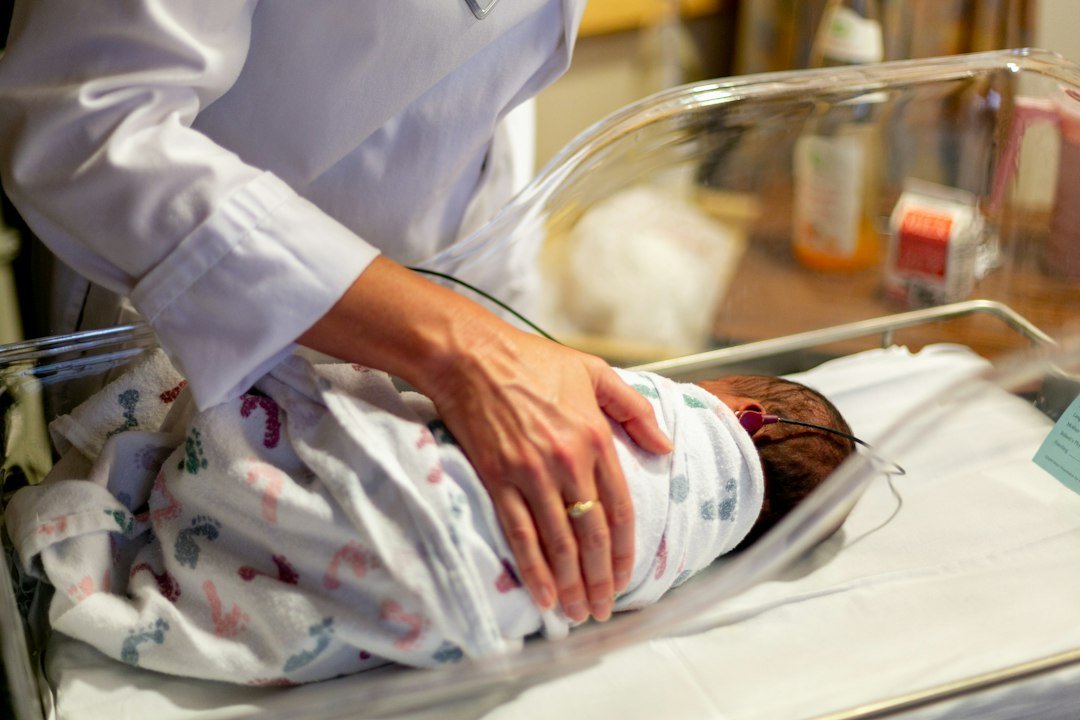

Goal: calm, safer, and faster everyday diaper changes
Everyday diaper changes can be quick and low-stress for both of you when you set up a predictable routine, place supplies within reach, and use a few safe handling tricks. This guide shows exactly how to prepare, what to do for newborns through early infancy, how to soothe and avoid common messes, and when to ask a clinician.
Before you start: set up a simple, safe changing station
Organize one primary changing spot at home and a compact travel kit for outings. Keep everything within arm’s reach so you never leave your baby unattended.
- Surface: firm, flat changing mat or designated table with a non-slip pad and changing cover. Never use raised surfaces without a safety strap and always keep one hand on the baby if elevated.
- Supplies within reach: clean diapers, wipes, diaper cream, plastic bag for disposal, burp cloth, and a clean outfit. Use a small basket or caddy to keep these together.
- Waste: a lidded diaper pail or a sealable bag for disposable diapers; small wet-bag for cloth diapers during travel.
- Lighting and temperature: warm enough to keep baby comfortable, and a soft nightlight for middle-of-night changes to avoid full wakefulness.
Step-by-step: a smooth diaper change you can learn to do in under 2 minutes
Follow this sequence until it becomes natural. Practice at times when baby is calm so you build confidence.

- Position and safety: lay baby on their back, center on the mat, and keep one hand on the baby’s torso when the surface is elevated. For newborns, keep a light layer over their chest if you uncover their diaper area to avoid chilling.
- Open the diaper: unfasten tabs and lift the front edge. For boys, gently place a cloth over the genital area briefly—boys sometimes urinate when exposed.
- Wipe clean: use the front of the diaper to remove bulk, then a wipe or damp cloth to clean remaining residue. For girls, wipe front-to-back. For boys, clean with supervision and watch for spraying; a quick cloth over the genital area can prevent surprises.
- Contain the mess: fold the soiled diaper under the baby if it’s just wet—this buys you a clean surface for the legs. For heavy messes, remove the diaper and use wipes while holding the baby’s legs gently at the ankles.
- Apply cream if needed: a thin layer of diaper cream for redness or as recommended by your clinician. Let it air briefly before securing the clean diaper if possible.
- Fasten snugly: slide a clean diaper under, pull the front up, and fasten tabs so you can slide two fingers between the waist and baby—secure but not tight. Ensure leg gathers are not tucked in to prevent leaks.
- Dress and dispose: pull the cover-up or outfit back on, dispose of the used diaper, and wash hands or use sanitizer.
Soothing and cooperative tricks to reduce squirming
Babies move; these tiny strategies often make changes faster and less stressful.
- Distract calmly: a soft toy, a high-contrast card, or a gentle mobile hung nearby gives them something to focus on.
- Talk or sing: a consistent short phrase or song signals “diaper time” and can cue cooperation.
- Use massage: a brief leg or tummy rub while wiping can calm older infants.
- Timing: change right after a nap or feeding when baby tends to be more relaxed; avoid starting a change when hunger or tiredness is escalating.
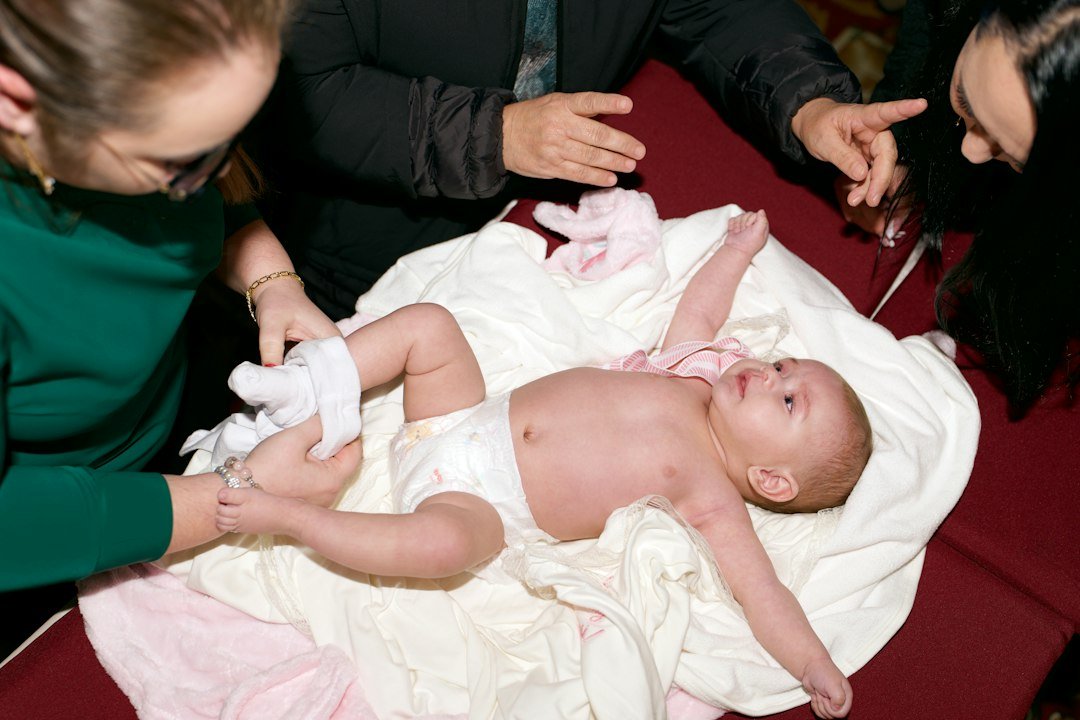
Preventing and handling common problems
Know the likely hiccups and simple fixes so you don’t get stuck.
- Frequent blowouts: check fit—diaper might be too small or not pulled up high enough at the waist. Try folding the front slightly higher for newborns to contain stools.
- Persistent rash: use a gentle barrier cream after cleansing and air time; if the rash bleeds, has blisters, or doesn’t improve in a few days, contact a clinician or your pediatrician.
- Boys who spray: place a cloth over the genital area while removing the diaper; remove it last after cleaning to avoid wetting clothes.
- Wipes irritate skin: use warm water and soft cloths for sensitive skin and speak with a clinician before switching products if irritation continues.
Adapting for cloth diapers and older infants
Cloth requires a slightly different flow—use a fast wipe to remove solids into the toilet first, then store in a wet-bag; consider snappis or fasteners that are simple to secure with one hand. For mobile infants, lower the surface (on floor changing with a mat) to remove fall risk and use games to encourage lying flat briefly.
- One hand on baby when elevated; never leave unattended.
- Supplies (diaper, wipes, cream, disposal) within arm’s reach.
- Gentle distraction ready: toy, song, or high-contrast card.
- Two-finger fit at the waist; leg cuffs out to prevent leaks.
- For messes: remove solids into toilet, fold diaper under if just wet.
- Note rashes that don’t improve or bleeding—contact clinician.
Build one predictable changing routine and supply station, practice the step sequence until it’s automatic, and use calm distractions. Safety—never leaving baby unattended and checking diaper fit—should be your top priority.
When should I use diaper cream?
Use a thin layer for visible redness or irritation, or as a preventive barrier for babies prone to rash; consult your pediatrician for severe or persistent rashes.
Is it safe to change a diaper on a bed or couch?
It’s safer to change on a firm, flat surface. If you must use a bed or couch, stay on the floor beside the mattress with the baby on a changing mat to reduce fall risk.
How can I stop frequent blowouts?
Ensure the diaper fits properly—size up if needed, pull the front up higher for newborns, and make sure leg gathers are outwards to contain mess.
When should I call a clinician about diaper area issues?
Contact a clinician for rashes that bleed, have blisters, high fever, or don’t improve after a few days of barrier care; also ask about persistent diarrhea or unusual discharge.