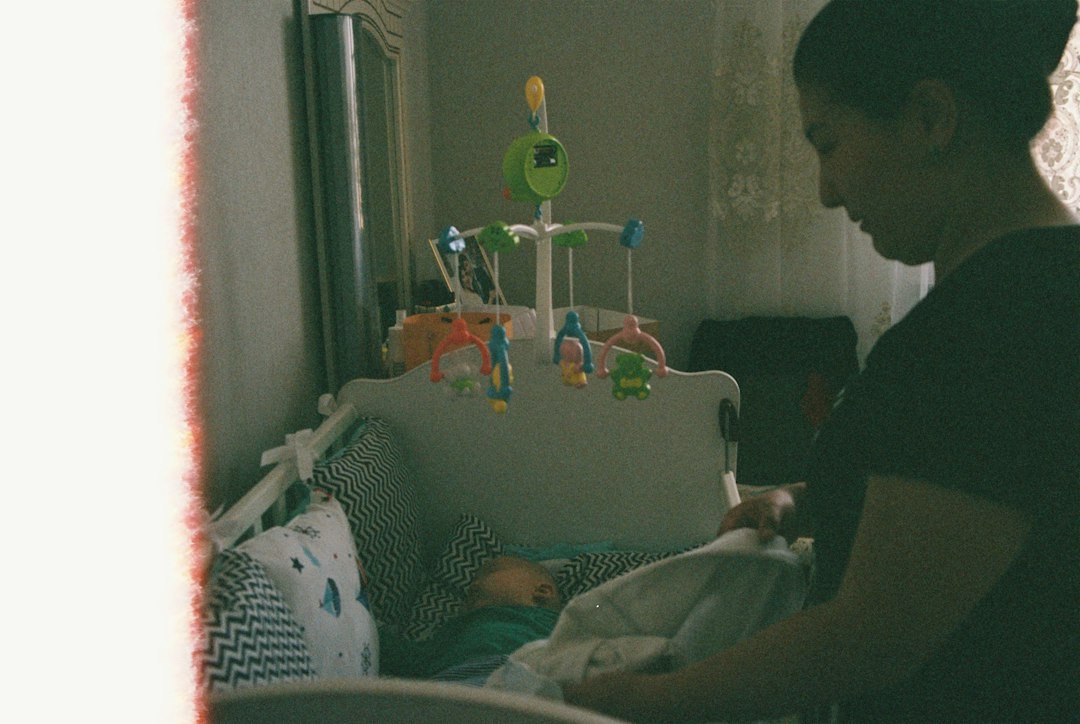

Start with the short answer: split shifts that match your household
The simplest fair approach is to divide nighttime baby care into clearly defined shifts so one parent sleeps in longer stretches while the other handles consecutive wake-ups. For example: Partner A covers 10 p.m.–2 a.m.; Partner B covers 2 a.m.–6 a.m., swapping roles every few nights. This makes rest predictable, reduces decision fatigue, and keeps nighttime tasks consistent.
Why defined shifts work and when to adjust
Defined shifts work because sleep quality depends on consolidated sleep and predictable expectations. Newborns wake unpredictably, but parents who know their window of responsibility can optimize naps and nighttime sleep. Adjust shifts for feeding method (breastfeeding, pumping-and-bottle, combination), medical needs, or when one parent is on duty at work during the day.
Practical rules to make sharing functional
- Agree on tasks for each wake-up: who feeds, who changes, who soothes, and who documents. Keep roles simple to avoid arguments when sleepy.
- Keep a low-energy toolkit beside the sleep area: dim nightlight, pre-measured formula or pumped milk, diapering supplies, a thermometer, burp cloths, and a small white-noise device.
- Use the “do the minimum needed” rule—private routines that wake the baby less: change diaper only if wet/soiled, keep interactions calm, and avoid bright screens or loud talk.
- Create a brief handoff ritual: a two-sentence update on the baby’s last feeding, diaper, meds (if any), and sleepiness so the incoming parent starts with good information.
Safe sleep and when to intervene
Always follow safe-sleep principles: place your baby on their back on a firm, flat surface with a fitted sheet; keep soft bedding, pillows, and loose blankets out of the sleep area; room-share without bed-sharing is recommended for at least the first six months. If a parent must feed in bed, return the baby to the bassinet or crib when done. If you notice concerning signs at night—high fever, persistent grunting, blue or very pale skin, difficulty breathing, reduced responsiveness, or not feeding at expected intervals—contact your clinician or emergency services immediately.
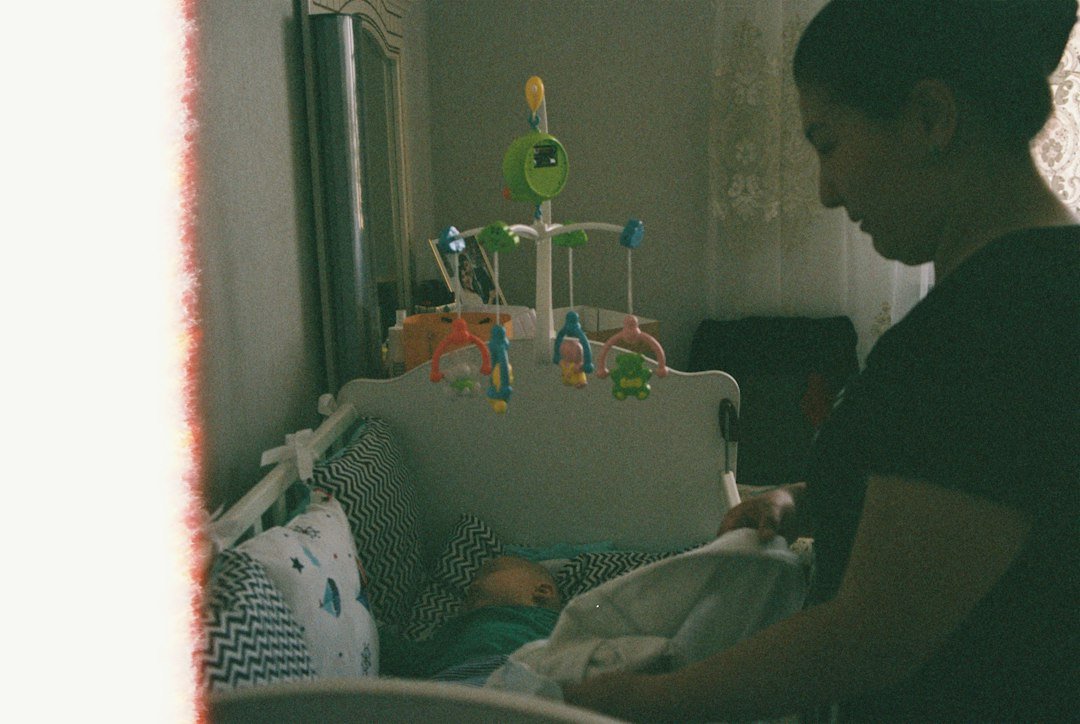
Customizing shifts for feeding methods
Breastfeeding: If one parent is the sole milk source, consider a “primary night parent” model where the breastfeeding parent handles the majority of feedings but receives scheduled longer sleep blocks (e.g., partner does most diapering and settling). Pump-and-bottle: Partners can split full feedings, allowing both to wake and feed, which equalizes night work and supports bonding. Combination: Rotate whole responsibilities per shift to reduce fragmented sleep for the breastfeeding parent—partner handles entire shift while lactating parent sleeps, then swap.
Tools and small habits that reduce friction
- Keep a shared night log (notepad or phone note) with times of feeds, diaper changes, medications, and notable behaviors—helps continuity without long conversations.
- Batch low-energy tasks: make bottles, lay out diapers and clothes, and preheat a warm burping cloth before the designated shift.
- Practice quick soothing techniques together (swaddle, shush-rock, pacifier if used) so both partners follow the same cues and the baby learns predictable responses.
- Limit decisions: agree in advance on when to bring baby into a parent’s bed for feeding (avoid bed-sharing) and when to call the clinician.
Handling exceptions: illness, growth spurts, and postpartum recovery
Expect disruption during growth spurts and illness. When baby needs extra feeding, temporarily accept a higher frequency or team up: one parent feeds while the other soothes, or split immediately consecutive wake-ups so each gets a short nap between. Postpartum recovery is another exception—if the birthing parent needs more sleep or rest, the non-birthing partner should take a larger share until recovery progresses. Prioritize safety and clinician advice if infant or parental health complicates nighttime care.
Scheduling when one partner works nights or shifts
If a parent works nights, avoid mirroring their work schedule exactly; instead, arrange trade-offs—take more daytime duties and let the working parent cover some early-night blocks on rest days. Protect the working parent’s necessary daytime sleep with quiet boundaries and predictable handoffs.
Communicate without blame: simple scripts for tired parents
When sleep-deprived, communication can feel fragile. Use short, factual phrases: “I’m covering 10–2. Baby fed at 11:15, wet diaper. Please take 2–6.” If something needs changing, name the issue and the desired action: “I’m exhausted—can you handle the 2 a.m. feed tonight?” Schedule a weekly check-in to adjust shifts and raise concerns before they build up.

If both parents are consistently unable to get at least one consolidated block of restorative sleep per 24–48 hours, consider asking family for short-term help, hiring a night doula, or arranging a temporary postpartum support person—this is a safety and mental-health decision, not a failure. If you have questions about infant weight gain, feeding supply, or concerning nighttime symptoms, contact a qualified clinician.
- Set clear shift times and swap every few nights to balance rest.
- Agree on who does each task at each wake-up (feed, change, soothe, log).
- Prepare a low-light toolkit for every night shift.
- Follow safe-sleep rules; return baby to crib/bassinet after feeding.
- Use a short written handoff after each shift.
- Call a clinician for breathing problems, high fever, blue skin, or low responsiveness.
Pick a sharing model that fits your feeding method and work schedules—defined shifts work best for sleep. Keep routines minimal, prioritize safe sleep, and adjust quickly for illness or recovery. Ask for help if both of you can’t get restorative sleep.
Can both parents share each wake-up instead of shifts?
Yes—splitting individual wake-ups can equalize bonding, but it fragments sleep more. Use that approach short-term or when both can nap during the day; for steady rest, shifts are usually better.
How long should shifts last for newborns?
Commonly 3–4 hour blocks let one parent get longer sleep while the other handles several consecutive wake-ups; adapt based on breastfeeding needs and work schedules.
Is it safe to feed in bed at night?
Feeding in bed is common but increases risk of accidental overlay if parents fall asleep; if you feed in bed, put baby back in a bassinet or crib when finished and avoid falling asleep while holding the baby in an adult bed.
When should we call the pediatrician at night?
Call for high fever, trouble breathing, blue/pale skin, inability to wake baby, or if the baby won’t feed and seems lethargic. For uncertainty, your pediatrician’s after-hours line can advise.
How do we avoid arguments about who’s more tired?
Use agreed schedules, brief factual handoffs, and a weekly planning check-in to address fairness rather than debating in the sleep-deprived moment.