
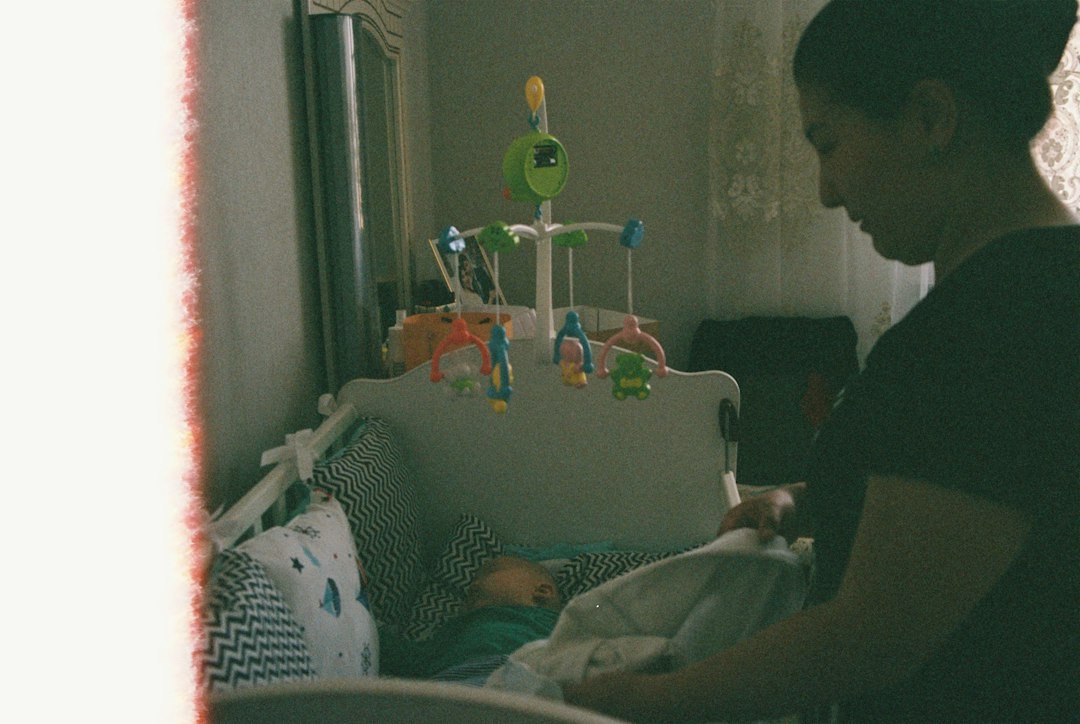
Quick takeaway: What you should have and do in the first week
Focus on four things: safe sleep setup, reliable feeding and diapering routines, learning your baby’s cues, and watching for concerning signs. Prepare one comfortable care station, a safe sleep space, a simple visitor and hygiene plan, and time to rest and ask for help.
Set up a simple, safe sleep space before you arrive home
Place a firm flat mattress in a safety‑approved bassinet or crib in your room for the first several weeks. Keep the sleep surface bare — fitted sheet only; no loose blankets, bumpers, pillows, crib toys, or positioners. Always place the baby on their back for sleep and keep room temperature comfortable (not overheated).
Have a second fitted sheet and a wearable sleep sack sized appropriately. If you swaddle, practice a hip‑safe swaddle (allowing leg movement) and stop swaddling once the baby shows arm‑rolling.
Plan a single nearby care station
Choose one spot (changing table, dresser top, or a basket on the bed) stocked with what you’ll actually use in rotation: 6–8 onesies, 8–10 diapers, wipes, diaper cream, burp cloths, a thermometer, a few muslin cloths, and a clean towel. Keep a small trash can or wet bag nearby for soiled diapers and cloths.
Arrange feeding supplies within reach: a chair with arm support, water for the parent, snacks, phone charger, and a small light. If breastfeeding, keep nipple cream and a nursing pillow handy; if bottle feeding, have clean bottles or formula ready per guidance from your clinician.
Practical feeding and diapering plan
Expect frequent feeds and diapers. Newborns typically feed every 1.5–3 hours (sometimes cluster-feeding) and have multiple wet and dirty diapers a day. Track feeds and diapers for the first 48–72 hours to ensure adequate intake and output.
- Feeding: Follow hunger cues — rooting, sucking on hands, lip smacking — rather than strict schedules. Offer the breast or bottle at early cues and wake to feed if more than 4 hours between feeds in the first week for full‑term babies. If you’re unsure about latch, ask your clinician or lactation consultant to observe.
- Diapering: Change soiled diapers promptly and check wet diapers: 6+ wet diapers by day 4 is a general sign of good hydration. Keep the cord stump clean and dry until it falls off; sponge baths only until healed if you were advised that way.
Learn and respond to newborn cues
Newborns communicate with simple signals. Quickly distinguishing basics helps reduce fussing:
- Hunger: rooting, sucking, fussing that escalates to crying.
- Tired but overstimulated: yawning, rubbing eyes, looking away — try a calm feeding, swaddle or quiet room.
- Need to be changed: squirming and fussing relieved after diaper change.
- Comfort seeking: soft cooing and sucking when content, a higher‑pitched cry when uncomfortable or in pain.
Use a calm, rhythmic response sequence: check basic needs (feed, diaper, temperature), then try soothing (skin‑to‑skin, swaddle, shush‑sway). Give each approach a few minutes before switching. If crying stays high-pitched or the baby seems in pain, contact a clinician.

Safety, visitors and hygiene in practical terms
Limit visitors in the first week, especially people with respiratory symptoms. Ask visitors to wash hands and offer distance if they recently had illness. Anyone handling the baby should be current on COVID/flu guidance for your area and avoid kissing the baby’s face.
Keep a small hand‑sanitizer bottle at the care station and emphasize handwashing before feeds and after diapering. If family members will help with care, give a quick demo: safe sleep placement, how to swaddle safely, and signs of distress to report immediately.
How to make time to rest and ask for help
Arrange at least one block of 90–120 minutes for parent rest every 24 hours in the first week. Use a simple split-care plan with a partner, family member, or paid helper: they can handle diaper changes, bottle prep, or bring food while you nap.
Keep meals simple — ready-made or easy-to-assemble snacks — and accept offers that remove specific tasks (laundry, dishes). Prioritize short naps and eating; full recovery takes weeks, not days.
When to call your clinician — clear, observable signs
Contact your pediatrician, midwife, or urgent care if you notice:

- Fewer than 6 wet diapers by day 4 or visibly decreased urine output.
- Difficulty breathing (grunting, fast breathing, or blue/pale lips or face), persistent high‑pitched crying, or poor muscle tone (very floppy).
- Fever: rectal temperature ≥100.4°F (38°C) in infants under 3 months.
- Poor feeding where the baby can’t latch or takes very little during multiple attempts, or persistent vomiting.
- Jaundice that seems to be spreading rapidly or causes poor feeding/lethargy; if yellowing of skin/eyes appears in the first 24 hours, call right away.
When in doubt, call. Your clinician prefers early caller questions over waiting with concerning signs.
Troubleshooting common first‑week challenges
- Poor latch or painful breastfeeding: try different holds, skin‑to‑skin, then contact a lactation consultant for an observed session; pump briefly to maintain supply if advised.
- Cluster feeding evenings: reduce stress by dim lights, swaddling, and offering skin‑to‑skin; keep hydrated and accept help with chores.
- Fussy periods between feeds: check for gas, overstimulation, or wet diapers; try burping, a warm towel on the tummy, or gentle motion.
Next steps after the first week
Plan your first pediatric appointment (usually within 48–72 hours after discharge for some newborns) and a postpartum check for the birthing parent at around 4–6 weeks (earlier if concerns). Use early appointments to review weight, jaundice, feeding sufficiency and newborn screening results.
- Set up a bedside bassinet or crib with fitted sheets and a wearable sleep sack.
- Create one reachable care station with diapers, wipes, clothes, and a thermometer.
- Track feeds and wet diapers for the first 72 hours to confirm feeding success.
- Limit visitors and enforce handwashing; show helpers how to swaddle and place the baby for sleep.
- Schedule the pediatric visit and know emergency signs to call about (fever, breathing trouble, low output).
In the first week, prioritize safety and simplicity: a safe sleep surface, a single organized care spot, responsive feeding and diapering, and a short visitor/hygiene plan. Rest when you can and contact your clinician for any worrying signs.
How often should I wake my baby to feed?
For full‑term newborns, wake to feed if it's been more than 4 hours between feeds in the first week; otherwise follow early hunger cues. Preterm or medically complex infants need clinician guidance.
Is room‑sharing safe during the first week?
Yes—room‑sharing with the baby on a separate sleep surface in your room reduces SIDS risk and makes nighttime feeding and monitoring easier.
When should we expect the cord stump to fall off?
The cord stump usually falls off within 1–3 weeks; keep it clean and dry and avoid covering it with tight diapers; call your clinician if there's redness, foul odor, or heavy bleeding.
What if my baby is sleepy and won’t feed?
If your newborn is repeatedly hard to rouse for feeds, has weak suck, or falls asleep quickly and isn't taking enough, contact your pediatrician promptly for evaluation.
Can visitors hold the baby?
Limit holding to healthy, cautious visitors; ask them to wash hands and avoid close face contact. Prioritize a few trusted helpers who follow hygiene rules.