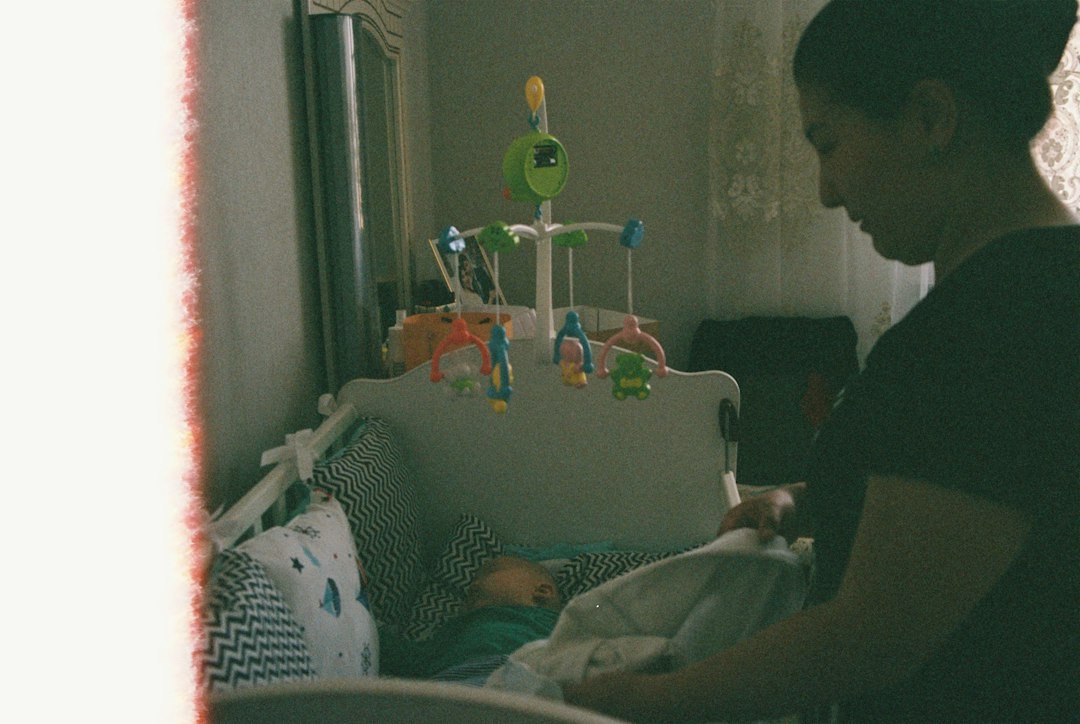

Imagine this: it’s 2 a.m., your baby won’t settle, and every calming trick you try seems to fail. By the end of this guide you’ll have a short, practical set of gentle techniques you can try in sequence, how to read your baby’s cues, and when to seek help.
The focus for this article is comfort a fussy baby. Use the steps below as a flexible sequence: check basics, choose one calming hold or motion, add sound and rhythm, and adjust for age or medical concerns.
Step 1 — Quickly rule out common causes
- Hunger: offer a feeding if it’s close to the expected interval and the baby shows rooting, lip-smacking, or hand-to-mouth cues.
- Dirty diaper: a heavy, red, or watery rash or very loose stool? Change the diaper and check skin.
- Temperature and clothing: feel the chest or back of the neck — not hands — and remove a layer if hot or add one if cool. Keep the room 68–72°F (20–22°C) when possible.
- Pain or illness signs: persistent high-pitched crying, fever (rectal temperature 100.4°F/38°C or higher in infants under 3 months), poor feeding, vomiting, difficulty breathing, or fewer wet diapers warrant calling your pediatrician or urgent care.
Step 2 — Try one calming hold or carrier
Choose a hold that applies gentle pressure and feels secure. Pick one and use it for 5–10 minutes before switching.
- Chest-to-chest (skin-to-skin for newborns): place baby upright on your bare chest with a light blanket over both. This stabilizes breathing and temperature.
- The colic carry (football hold): tuck baby under your arm on their stomach with their head supported by your hand; small pressure on the belly can help reduce gas discomfort.
- Cradle hold with slight incline: hold baby semi-upright across your forearm to ease reflux or spit-up after feeds.
- Soft baby carrier: wearing baby close in an ergonomic carrier allows you to move and your baby to feel your heartbeat and motion; follow the carrier’s safe positioning guidance (airway clear, chin off chest).
Step 3 — Add gentle motion and rhythm
Babies respond to low, consistent movement and predictable rhythm.
- Rocking or swaying: small amplitude, steady side-to-side or back-and-forth motions work better than jerky bouncing.
- Walking: a slow walk while holding baby or wearing a carrier often soothes through vestibular stimulation.
- Vibration: a gentle patting or bouncing on the lower back or bottom (soft, rhythmic) can calm a fussy infant.

Step 4 — Use sound and mouth cues
Sound adds a familiar, womb-like environment.
- Shushing: a steady, loud “shhh” close to the baby’s ear mimics intrauterine noise and can be surprisingly effective.
- White noise: a continuous sound (fan, white-noise device, or app) at safe volume — keep it below 50 dB and not next to the crib — helps mask sudden noises.
- Singing or low voice: your spoken, rhythmic voice or lullabies provide predictable cadence and connection.
- Sucking: offer a pacifier if baby uses one; sucking is self-soothing and can reduce crying.
Step 5 — Calm the body: feeding, burping, and tummy checks
If crying follows a feed, help with burping and position changes.
- Burp positions: over the shoulder with support, upright on your lap leaning slightly forward, or seated on your lap with a gentle pat on the back.
- Gas relief: bicycle the legs slowly, or place baby on your forearm facing down (colic carry) for short periods to help move trapped gas.
- Feeding cues vs. comfort feeding: if it’s not time for a scheduled feed but baby wants to suck, offer a pacifier rather than resuming a full feeding to avoid overfeeding unless hunger signs are clear.
Step 6 — Create a calming environment for sleep attempts
Follow safe-sleep practices while trying to get baby to sleep.
- Place baby on their back in a clear crib or bassinet with a firm mattress and fitted sheet; no loose bedding, stuffed toys, or wedges.
- Dim lights and reduce stimulation; maintain a consistent pre-sleep cue such as a short song or quiet shush.
- If baby falls asleep while being held, it’s safest to transfer them to their back in the crib when they are deeply asleep and you can do so safely; if you are extremely tired or worried about falling asleep holding baby, place baby in a safe sleep space first.

Troubleshooting and adjustments by age
- Newborns (0–2 months): prioritise frequent feeds, skin-to-skin, and low stimulation; crying peaks at about 6 weeks and often lessens by 3–4 months.
- 3–6 months: add predictable routines (naps, bath, bedtime cue) and use consistent calming steps; many babies respond better to shortened, predictable soothing sequences.
- Excessive crying/possible colic: if crying is intense, lasts hours almost daily, and the baby otherwise feeds and grows normally, ask your clinician about colic strategies and rule out reflux or food sensitivities in breast/chest-feeding parents’ diets or formula changes.
When to call a clinician
Contact your pediatrician or urgent care promptly for any of: fever in young infants, decreased responsiveness, trouble breathing, persistent vomiting, signs of dehydration (very few wet diapers), rash with fever, or if crying feels different—higher-pitched, weaker, or accompanied by unusual body stiffness. Trust your instincts: if something feels off, call.
- Check feeding timing and hunger cues.
- Ensure diaper and clothing are comfortable and temperature-appropriate.
- Choose one calming hold and keep it for 5–10 minutes.
- Add steady motion and a continuous soft sound (shushing or white noise).
- Follow safe-sleep rules when attempting to put baby down.
Comfort a fussy baby by systematically checking basics, then applying one or two gentle, consistent soothing techniques: a calming hold, steady motion, and predictable sound. If crying continues with concerning signs, contact a healthcare provider.
How long should I try a soothing technique before switching?
Give any single technique about 5–10 minutes; many babies need predictable consistency. If nothing changes after a sequence, try another or consult your pediatrician if concerned.
Is it okay to use white noise all night?
White noise can be helpful, but keep the volume below 50 dB, place the source away from the crib, and avoid extremely loud devices close to the baby’s ears.
When is crying a medical emergency?
Seek urgent care for trouble breathing, limpness, unresponsiveness, fever in infants under 3 months, persistent vomiting, or signs of dehydration.
Can swaddling help and is it safe?
Swaddling can calm many newborns when done correctly: keep hips loose, stop swaddling once the baby shows rolling ability, and place baby on their back to sleep.
What if I feel overwhelmed or frustrated?
Place baby safely in their crib and step into another room for a few minutes to breathe, call a partner or friend, or contact a helpline—your well-being matters for baby’s care.