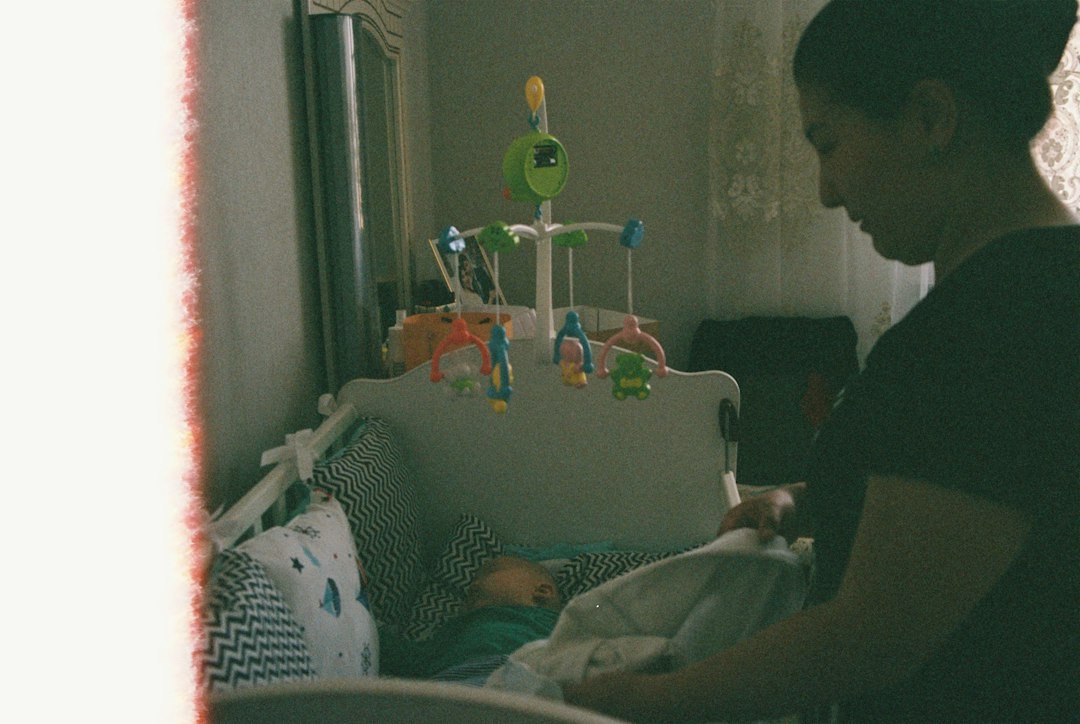

When you change a diaper at 2 a.m., your baby looks up and briefly locks eyes—there’s an easy way to turn that small moment into connection.
“Bond with your baby” isn’t a single event; it’s dozens of tiny, safe interactions repeated over days. Below are practical, everyday ways to build attachment that fit into normal care: short, repeatable actions you can do at feeding, diapering, awake windows and before sleep.
Start with brief skin-to-skin and gentle touch
Skin-to-skin (baby in diaper on your bare chest, covered by a blanket) calms newborns, supports temperature and breathing regulation, and promotes parental confidence. Aim for 10–30 minutes once or twice daily when baby is calm and awake—after a feed or during a quiet morning period.
If skin-to-skin isn’t possible, replace it with unhurried tummy-to-tummy holding or extra minutes of cuddling without screens. Use slow, light strokes along the arms and back; those predictable touches help babies learn safety and trust.
Use feeding times for connection—whether breast or bottle
Feeding is prime bonding time. Reduce distractions, bring baby to a semi-upright, comfortable position, and offer gentle eye contact. Talk or hum softly; name what you’re doing (“We’re having milk now”). If bottle-feeding, paced bottle techniques let you maintain eye contact and responsiveness—pace the feed, pause often, and watch for baby’s cues.
Make diaper changes intentional micro-interactions
Diaper changes happen often—use them. Keep one hand on baby, narrate what you do, and smile. Sing a short two-line tune you repeat each time; over days the sound will register as a soothing cue. If baby fusses, slow your movements, lower your voice, and try a brief skin-to-skin hold before finishing the change.
Design short, focused awake windows with three simple activities
Newborn awake windows are brief—10–45 minutes depending on age. Use a small routine of three gentle activities:
- Face time: hold baby close, maintain soft eye contact and make slow facial expressions.
- Sound time: speak, sing or play a low-volume song for 2–3 minutes; vary your pitch so baby learns your voice patterns.
- Movement time: a short upright carry, slow sway, or 1–2 minutes of gentle bicycle legs while talking—these are calming and bonding.
Rotate these across awake windows rather than trying to do all at once. Consistency matters more than length.

Read, narrate and name—language builds attachment
Start reading aloud in the first weeks. Short board books or even a single page read for 1–3 minutes during an awake window introduces rhythm and your voice as a comforting presence. Narrate routine tasks too: “Now we wash your hands,” “Look, a yellow sock.” Naming things helps babies anticipate and trust caregivers.
Use predictable cues and short rituals to create emotional safety
Babies respond to patterns. Choose small, repeatable cues—a two-line song at diaper changes, the same rocking motion before naps, a bedside lamp dimming for sleep—that signal what comes next. Predictability reduces fussing and increases trust, especially through transitions like bath-to-bed.
Play that fits a newborn: short, sensory, and responsive
Newborn “play” is sensory and social: gentle tickle on the sole, a slow peek-a-boo with a blanket, or showing a high-contrast card for 30–60 seconds. Keep interactions responsive—if baby averts gaze or fusses, pause and offer comfort. The back-and-forth of noticing and responding is the core of bonding.
Soothing skills: calm yourself first
Babies pick up caregiver tension. Before trying to soothe, take a breath, lower your voice, and use rhythmic movements (rocking, walking) paired with gentle touch or shushing. If crying is persistent or you feel overwhelmed, set baby safely in a crib on their back and take a short break—this is safer and kinder than forcing interaction while distressed.
Include partners and other caregivers intentionally
Bonding doesn’t need to be parent-only. Encourage partners to take predictable parts of the day—one person for evening read-alouds, another for morning skin-to-skin—so baby forms secure relationships with multiple people. Teach them the same small cues and routines.
Mind infant cues and when to seek help
Learn early signs of hunger, tiredness and overstimulation: rooting or lip-smacking, eye rubbing or yawning, turning away or fussing. Responding promptly and calmly reinforces trust. If you notice concerning signs—feeding refusal beyond a usual period, persistent high-pitched crying, breathing that seems very fast or blue-tinged lips—contact your pediatric clinician promptly.

- Do at least one brief skin-to-skin or cuddling session.
- Make one feeding a distraction-free bonding time.
- Narrate or read aloud during one routine activity.
- Use a short, repeatable cue for diapering or bedtime.
- Watch and respond quickly to early sleep and hunger cues.
- If overwhelmed, place baby safely in crib and get support.
Bonding is a sequence of small, dependable acts—touch, voice, predictable cues and timely responses. Pick a single, realistic habit to repeat daily; over weeks it becomes the steady foundation of your baby’s sense of safety.
How long should skin-to-skin sessions be?
Ten to thirty minutes is helpful; shorter daily sessions still support bonding. Fit them into calm times after feeds when both of you are alert.
Can I bond if I bottle-feed?
Yes. Use paced bottle feeding, maintain eye contact, and narrate the feed—those responsive behaviors build attachment as effectively as breastfeeding for bonding.
What if my baby seems uninterested in eye contact?
Young infants have short attention spans. Offer gentle face time for brief periods and follow baby’s lead; responsiveness over days creates stronger eye contact later.
Is it safe to sing or play music near my newborn?
Yes—soft singing or low-volume music is soothing. Watch for signs of overstimulation (turning away, fussing) and reduce volume or duration if needed.
When should I call the clinician about crying or feeding?
Contact a clinician if feeding drops significantly, baby has trouble breathing, has a fever in very young infants, or crying is unusually high-pitched and unchanged by usual soothing—trust your instincts.