

You’re halfway through dinner and the counters look like a disaster
The pasta is boiling, the pan is spattering, and the cutting board is buried under peels and a pile of dirty utensils. If that scenario feels familiar, this guide shows practical ways to keep your kitchen clean while you cook so cleanup isn’t a separate, dreaded chore afterward.
Start with a simple work plan and mise en place
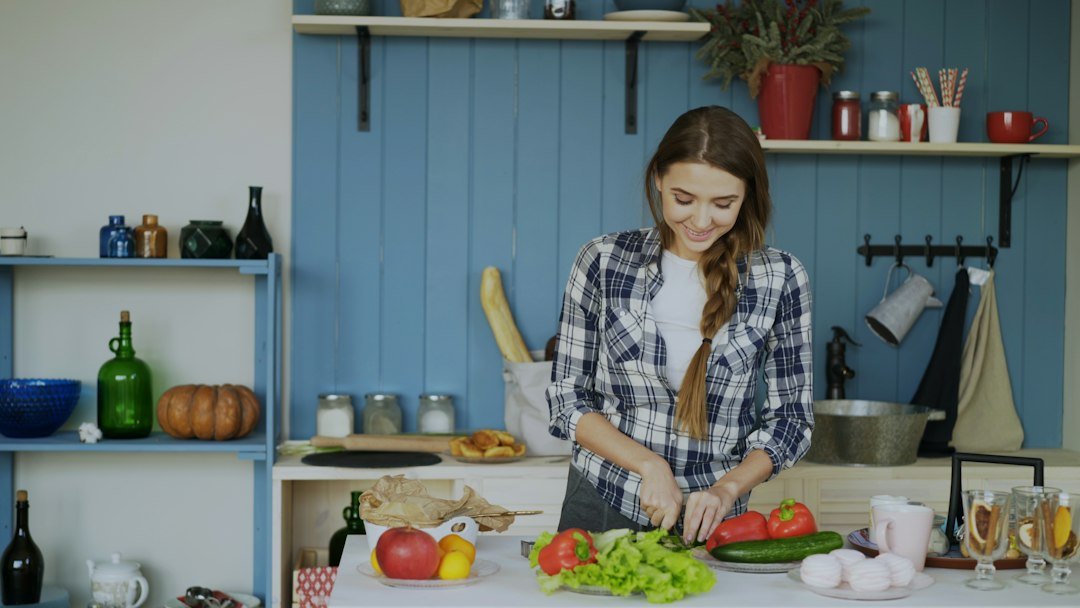
Clean-as-you-go begins before you heat a pan. Spend 5–10 minutes prepping: wash, chop, and measure ingredients into small bowls or a single tray. Put spices, oil and tools within reach. Clearing this “mise en place” reduces cross-traffic, limits dropped scraps and makes it obvious which items are used and which are dirty.
Set up a two-zone station: clean and dirty
Designate the immediate area next to the sink as the “dirty” zone and the opposite side (or a corner of the counter) as the “clean” zone for plated food and ready-to-use tools. When something becomes dirty—knife, spoon, bowl—move it immediately to the dirty zone. This simple visual separation prevents dirty items from migrating into prepared food.
Keep a small waste container at your prep station
Use a 1–2 liter bowl, a resealable bag, or a countertop compost pail for peels and trimmings while you work. Empty it into the main trash or compost when it’s half full. This saves walking back and forth and prevents scraps from cluttering the cutting board or sink.
Wash or soak as you go — a practical sink routine
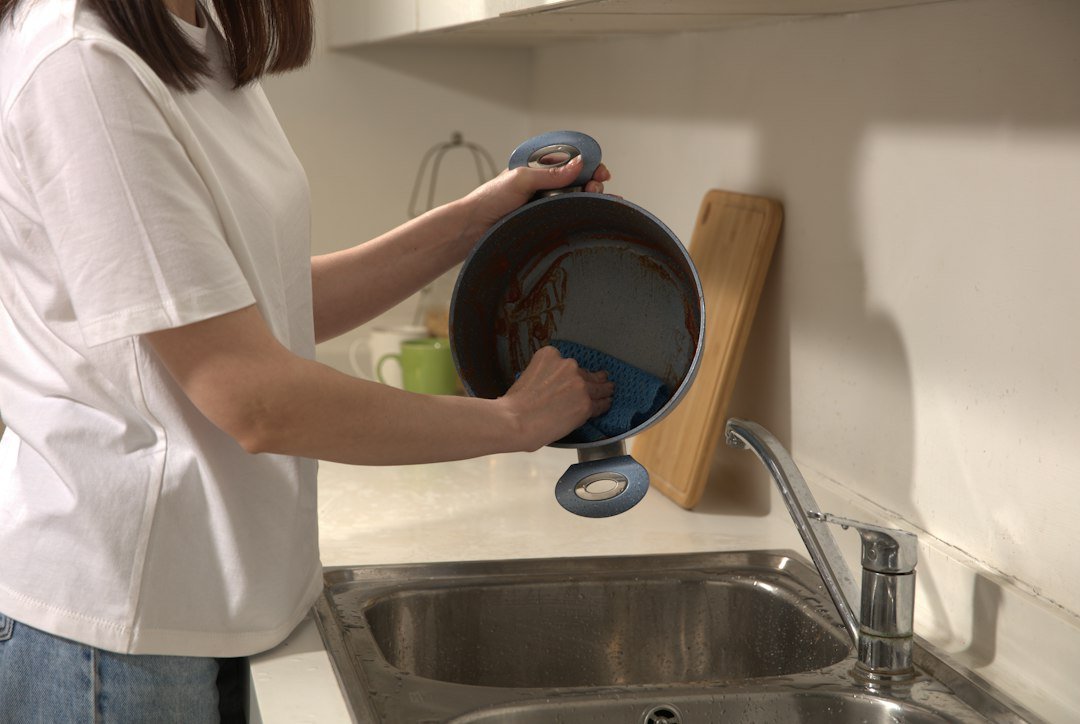
When a pan or bowl is no longer needed, rinse or soak it right away. Fill one side of the sink with hot, soapy water for immediate washing and use the other side for rinsing. For baked-on or greasy pans: add a bit of hot water and a sprinkle of dish soap and let them soak while you finish cooking; most crusts loosen in 10–20 minutes.
Use tools that speed cleanup — and use them correctly
Silicone spatulas, wooden spoons and heatproof tongs often need only a quick wipe or gentle wash. Line baking sheets with foil or parchment for roasted vegetables; use a splatter screen over frying pans to avoid greasy stovetop residue. Keep a small bottle of oil and a disposable paper towel nearby to quickly wipe oil spots off the counter—then toss the towel into the trash container you already have at the station.
Two-minute clean habits that add up
- After every major step (chop, sear, boil) take two minutes to wipe counters, hang wet towels to dry and stack dirty dishes near the sink.
- Run the dishwasher or start a quick hand-wash batch as soon as you sit the last dirty plate in the sink.
- Use a damp microfiber cloth on the stove and backsplash immediately after cooking while grime is still soft; it usually wipes off without scrubbing.
Tackle spills immediately — small action avoids big scrubs
For liquid spills, blot with paper towels then wipe with a cloth and mild detergent. For sugar or syrup spills, soak with hot water before wiping; sugar hardens and becomes much harder to remove later. For flour or powdered spills, sweep or vacuum the countertop before a wet wipe—mixing dry powder into water makes a paste that spreads the mess.
Plan cookware use to minimize washing
When possible, cook sequentially in the same pan (e.g., sear meat, remove, then finish sauce in the same pan) so you have fewer pots to wash. For one-pan dinners, line pans where appropriate and finish components in the oven or simmer on low so you can clean while one element cooks slowly.
Control trash and recycling during busy prep
Keep a trash bag clipped inside a small bucket or the sink cabinet so you can tuck disposables away quickly. Rinse recyclable containers lightly at the time you discard them if they’re greasy or wet—this prevents a sticky bin at the end of the meal. Empty the bag when it’s half full to avoid overflow during plating.
Final plating and immediate light reset
Once food is plated, take 3–5 minutes to: scrape remaining food into the waste container, rinse and stack utensils, wipe counters and put away any ingredients you won’t use again that day. Leave only the soiled cookware in or next to the sink to be washed; this visual cue usually leads to faster completion of the task.
- Create mise en place—measure and stage ingredients first.
- Keep a small countertop waste container for peels and scraps.
- Designate a dirty zone near the sink and move used tools there immediately.
- Soak greasy pans right after use; wash one batch while something simmers.
- Wipe spills immediately; sweep dry powders before wet cleaning.
- Empty trash or compost when half full to prevent overflow.
Keeping your kitchen clean while you cook is a sequence of small, repeatable choices: plan, separate clean/dirty items, contain waste, and do short, timed clean bursts. These habits reduce fatigue, speed final cleanup and make cooking more enjoyable.
How do I keep counters sanitary while I’m handling raw meat?
Use a dedicated cutting board for raw meat and clean it immediately after use—wash with hot, soapy water, then sanitize with a mild bleach solution or a vinegar spray and let air-dry. Keep raw meat away from ready-to-eat foods.
Is it better to wash dishes as I go or wait until the end?
Washing as you go is generally more efficient and prevents pile-up, but if you prefer batching, at least rinse or soak used pans immediately so residues don’t harden.
What’s the easiest way to remove burned bits from a pan?
Cover the bottom with hot water and a squirt of dish soap, bring to a simmer for 5–10 minutes, then let cool and scrub; for stubborn residue, sprinkle baking soda before scrubbing.
How can I reduce grease splatter on the stovetop?
Use a splatter screen, moderate oil temperature, and pat proteins dry before adding them to the pan to reduce moisture-driven spatter. Wipe the stovetop immediately after it cools slightly.
Any quick way to keep the sink tidy during a big meal prep?
Keep one basin for soapy soaking and one for rinsing; stack washed items on a drying rack or towel. Empty the sink basin frequently and transfer scraps to the countertop waste container if it’s near full.