
Many beginners expect elaborate techniques — you really only need reliable steps
Soft homemade bread is less about fancy tools and more about consistent proportions, gentle handling and correct timing. If your goal is a tender, airy sandwich loaf with a thin crust, the following recipe and practical steps answer that directly.
Quick answer: a simple yeasted sandwich loaf recipe
Use this 9x5-inch loaf recipe for one soft, sliceable homemade bread. It uses active dry yeast and a short knead so beginners can practice dough feel without a mixer.
Ingredients
- 3 cups (360 g) all-purpose flour, plus extra for dusting
- 2 tablespoons (25 g) granulated sugar
- 1 teaspoon (6 g) fine salt
- 2 1/4 teaspoons (7 g or 1 packet) active dry yeast
- 1 cup (240 ml) warm water, 105–115°F (40–46°C)
- 2 tablespoons (30 g) unsalted butter, melted and slightly cooled
- 2 tablespoons (30 ml) milk (optional—makes crumb softer)
Timing overview
- Mix + brief rest: 10–15 minutes
- Knead: 8–10 minutes by hand (or 5–6 minutes with a stand mixer)
- First rise (bulk proof): 60–90 minutes until doubled
- Shaping + second rise: 45–60 minutes until puffy
- Bake: 30–35 minutes
Step-by-step: make the dough
- Bloom the yeast: stir yeast and 1/2 teaspoon sugar into warm water; wait 5–8 minutes until foamy. If it doesn't foam, start with fresh yeast.
- Mix dry ingredients: in a large bowl whisk flour, remaining sugar and salt.
- Add wet ingredients: pour the foamy yeast, melted butter and milk into dry mix. Stir with a wooden spoon until a shaggy dough forms.
- Rest briefly: let the dough sit 10 minutes — this hydrates flour and makes kneading easier.
How to knead so the loaf stays soft
Proper gluten development is key to a soft but structured crumb. You want elasticity without over-tightening the dough.
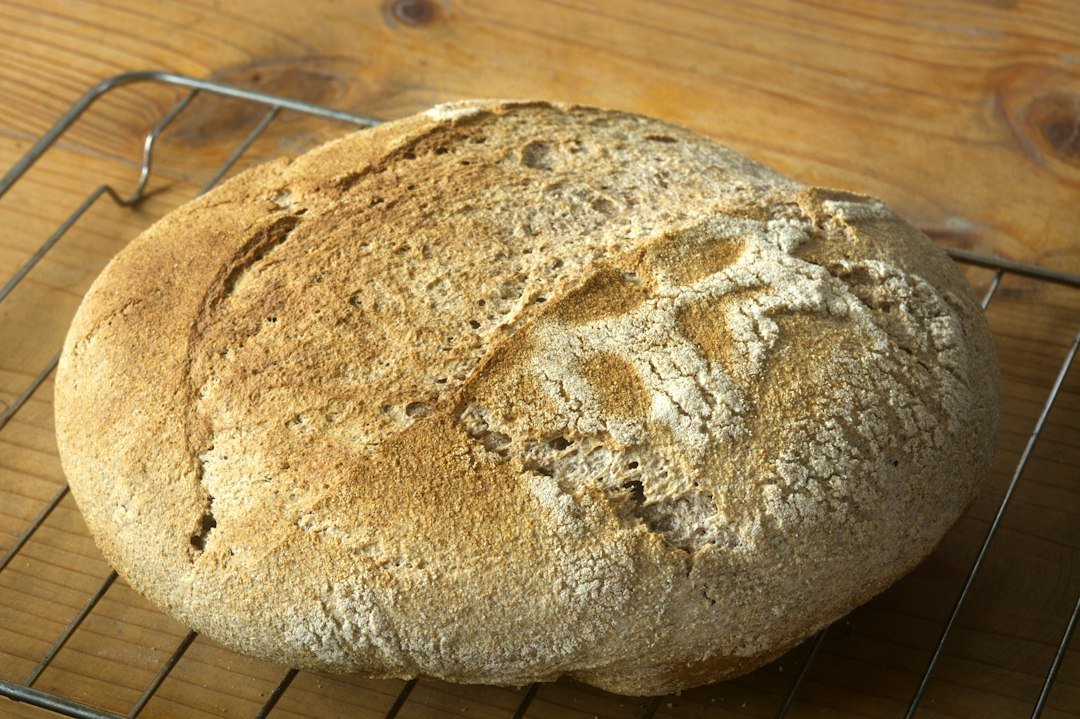
- By hand: turn dough onto a lightly floured surface. Push dough away with the heel of your hand, fold it back, give it a quarter turn and repeat. Continue 8–10 minutes until the dough is smooth, slightly tacky and springs back slowly when poked.
- By mixer: use the dough hook on low speed for 5–6 minutes to the same feel — smooth and slightly tacky.
First rise and shaping
Place the kneaded dough in a lightly oiled bowl, turn to coat, and cover with plastic wrap or a damp towel. Keep it somewhere warm (about 75–80°F/24–27°C) for 60–90 minutes until doubled.
Deflate gently, shape into a loaf by flattening into a rectangle then rolling tightly from the short side. Pinch seams closed and tuck ends under. Place seam-side down in a greased 9x5-inch loaf pan.
Second rise and baking for a soft crumb
Cover the pan and let it rise 45–60 minutes until the dough is puffy and just above the pan rim (it may not fully double). Preheat the oven to 350°F (175°C) about 20 minutes before baking.
Optional: brush the top with a little milk or melted butter just before baking for a softer crust.
Bake 30–35 minutes until the top is golden and the internal temperature reaches 190–200°F (88–93°C). If the crust browns too quickly, tent with foil for the last 10 minutes.
Cooling and slicing
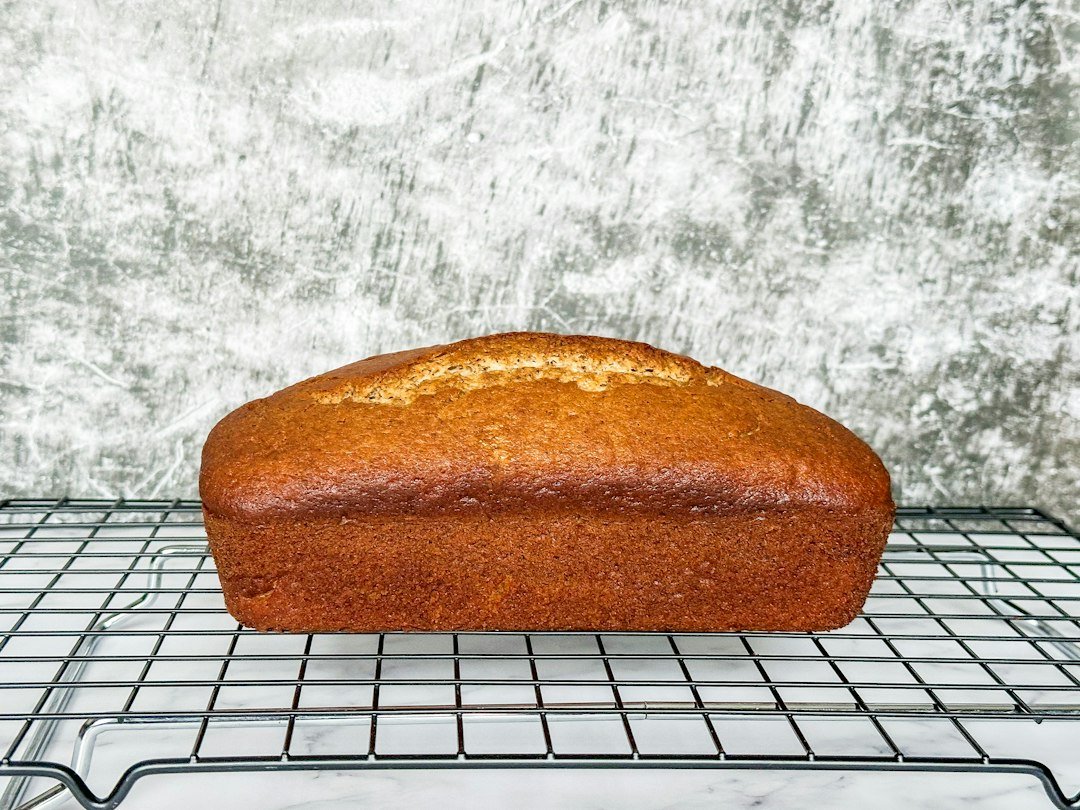
Remove the loaf from the pan after 10 minutes and cool on a wire rack. Cutting too soon steams and compresses the crumb; wait 30–60 minutes for cleaner slices.
Practical choices and common beginner questions
What makes bread soft? Hydration, fat (butter or oil), a short oven time at moderate heat, and avoiding over-baking. Milk and butter in this recipe tenderize the crumb.
Can you use instant yeast? Yes—reduce water by about 1 tablespoon and mix instant yeast straight into dry ingredients without blooming. Expect slightly faster rises.
Is no-knead easier? No-knead methods rely on long fermentation to develop gluten, which is great, but this recipe teaches dough feel and gives predictable 2–3 hour timing.
Storage to keep bread soft longer
- At room temperature: store wrapped in a clean kitchen towel and then in a bread box or paper bag for 1–2 days; for softer crust, use a plastic bag but expect condensation on the crust.
- Short-term (up to 5 days): place sliced loaf in a sealed plastic bag and refrigerate; refrigeration speeds staling but keeps the loaf usable for sandwiches.
- Long-term: freeze sliced in a freezer bag; toast slices from frozen or thaw at room temperature.
When things go wrong and how to fix them
- Dense loaf: likely under-kneaded, too much flour, or insufficient rise. Try kneading longer and check rise environment.
- Gummy crumb: underbaked—check internal temperature, and allow proper cooling.
- Flat loaf: yeast weak or water too hot/cold. Use the yeast-foam test and keep water in the warm range (105–115°F).
- Yeast proofed and bubbly or instant yeast measured.
- Flour measured by spooning into the cup and leveling (or weighed).
- Dough is smooth and slightly tacky after kneading.
- First rise happened in a warm draft-free spot until doubled.
- Loaf baked to 190–200°F (88–93°C) internal temperature.
Start with the reliable sandwich loaf recipe above and focus on dough feel, proper rise, and correct baking time. Small adjustments—hydration, a bit of milk or butter, and gentle handling—are what turn basic ingredients into soft homemade bread.
Can I use whole wheat flour instead of all-purpose?
You can substitute up to half the flour with whole wheat; expect denser texture and possibly a need for slightly more water and longer kneading and rising times.
How can I test if bread is done without a thermometer?
Tap the bottom of the loaf—done bread sounds hollow. A thermometer is more reliable, but this tap test works for beginners.
Why did my loaf rise then collapse?
Overproofing weakens structure so the dough can’t hold gas, or the oven was too hot causing rapid expansion then collapse. Shorten second rise and check proof readiness by a gentle poke—if it springs back slowly, it’s ready.
Can I double the recipe to make two loaves?
Yes—double all ingredients and split into two pans. Knead larger batches carefully (or use a mixer) and allow similar rise times.
Will adding sugar or honey make bread softer?
Sugar or honey tenderize slightly and encourage browning; use modest amounts (1–2 tablespoons) or follow the recipe amounts to avoid overly sweet bread.