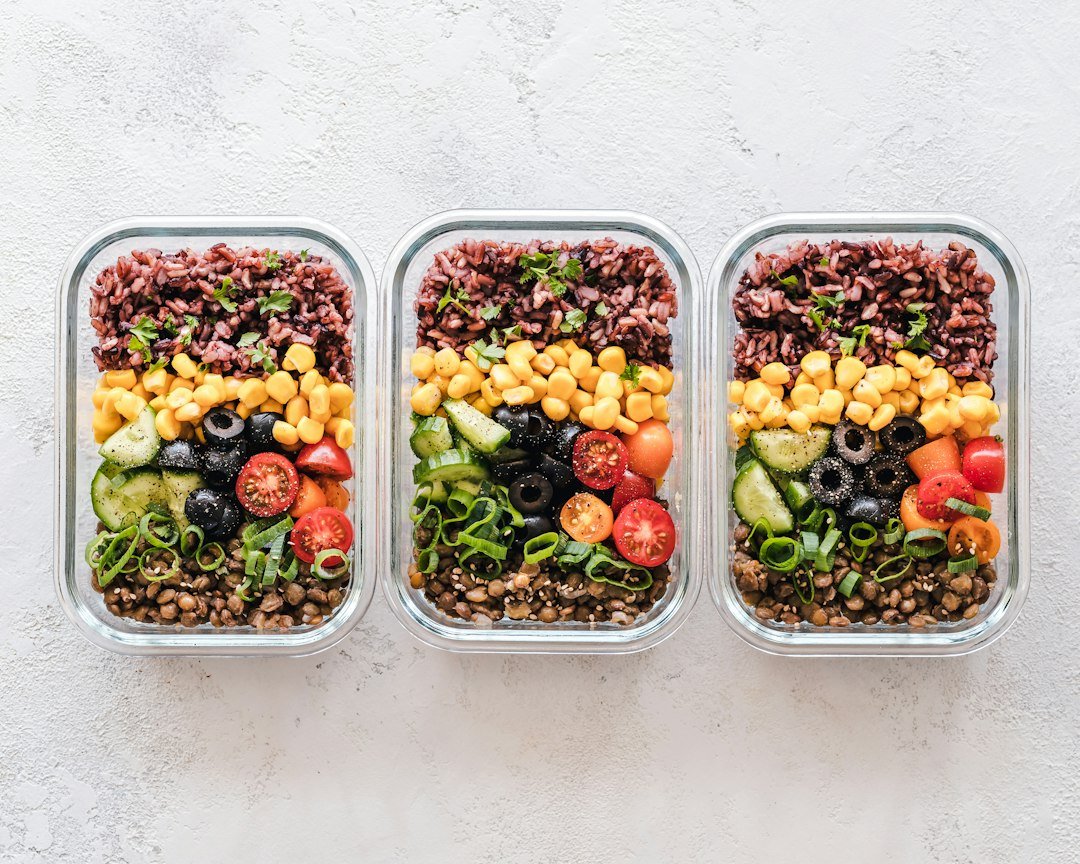

Start with the result you want: even, layered flavor without any single note overpowering the dish
Balancing spices and seasonings means deciding which flavor should lead (salt? heat? herbaceous freshness?) and then building toward it in stages. Below are practical rules and a workflow you can follow each time you cook so you rarely end up with under-seasoned or over-spiced food.
Essential tools and mise en place
- Measuring spoons (1/4 tsp, 1/2 tsp, 1 tsp, 1 tbsp)
- Small bowls or ramekins for pre-measured spices
- Salt (kosher or sea), freshly ground black pepper
- At least one acid (lemon or vinegar) and one sweetener (sugar or honey)
- Tasting spoon and a clean small cup of water for palate-clearing
Basic balancing rules — a quick checklist
- Salt enhances and sharpens flavors; add in stages (start light, finish stronger).
- Acid brightens and can reduce perceived saltiness or fat; add toward the end.
- Heat (chili, black pepper) builds with cooking and concentrates when reduced; add slowly.
- Bitterness often comes from overcooking spices or char; balance with acid or sweetness.
- Fresh herbs are for finishing; dried herbs and whole spices need early cooking to bloom.
Step-by-step workflow: from mise en place to final seasoning
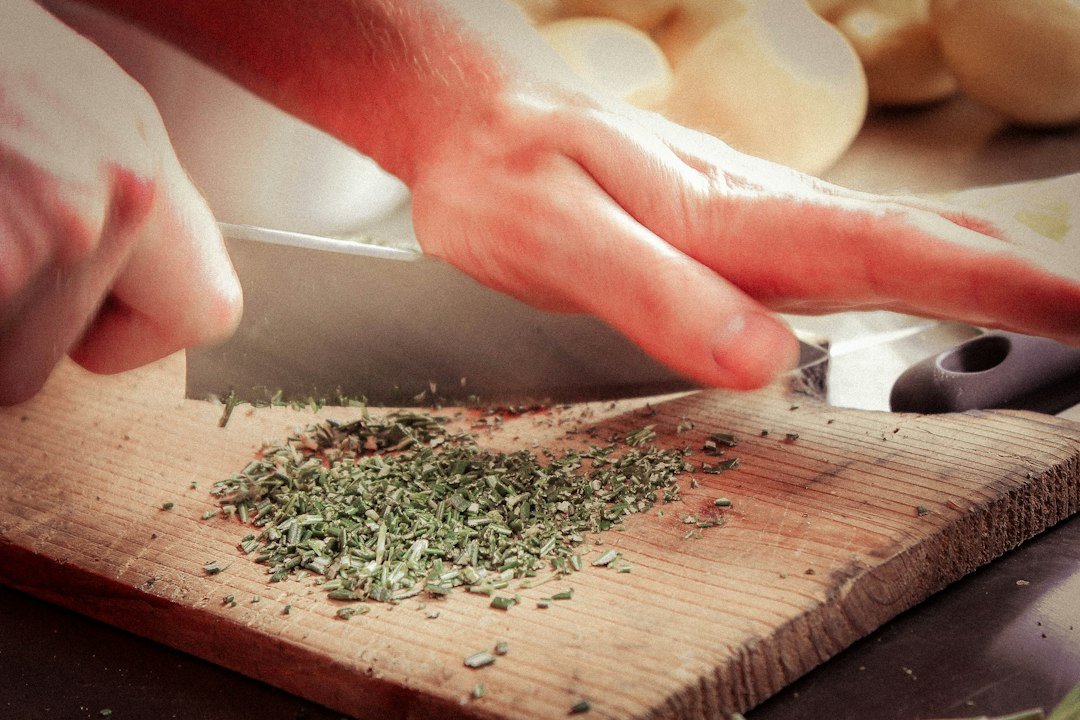
- Measure and separate: For a standard 4-serving sauté or stew, pre-measure common spices: 1 tsp ground cumin, 1 tsp paprika, 1/2 tsp cayenne (optional), 1/2 tsp dried thyme. Keep salt separate: start with 1/2 tsp kosher salt per pound of protein/vegetables cooked. This keeps you from oversalting.
- Bloom early flavors: Add whole spices or dried ground spices to hot fat (oil or butter) for 20–60 seconds until fragrant for intense flavor. Dried herbs can be added with this step in long-simmer dishes so they hydrate and soften.
- Season during key stages: Do a light salting at three points: when you start browning proteins or onions, when you add liquids to a stew/sauce, and a final seasoning near the end after reduction. This layers the seasoning and prevents flatness.
- Control heat: If a dish is building heat with chilies, add a little early and then taste mid-cook. If using powdered chiles, remember they grow more pungent as dish reduces; powdered forms are stronger than fresh for a given volume.
- Finish with freshness: Add fresh herbs, citrus zest, or a splash of acid at the end—this lifts the whole dish and often corrects mild over-salting or heaviness.
- Taste and adjust in order: When you taste, fix in this sequence: salt → acid → sweet → fat → heat → herbaceous. Salt first because it’s the base; acid after to balance; sugar to tame bitterness; fat to smooth; heat last to bump spice level.
Practical corrections: what to do when it goes wrong
- Undersalted: Add salt in small amounts, stir and wait 2–3 minutes, then taste again. Use 1/8–1/4 tsp increments for a 4-serving pot.
- Oversalted: Add acid (1 tsp lemon juice or vinegar at a time) or sweetener (1/4–1/2 tsp sugar or honey). For soups/stews, dilute with unsalted liquid or add peeled potato while simmering to absorb some salt (remove potato later).
- Too bitter or charred: Add 1 tsp sugar or 1 tbsp dairy (cream, yogurt) for each 2 cups of stew; acid can also help reduce bitterness but add cautiously.
- Too hot (spicy): Add dairy (yogurt, sour cream, coconut milk) or a spoon of sugar; starch (rice, bread) served alongside helps moderate heat.
- Flat or dull: Finish with 1–2 tsp acid (lemon, vinegar) and a small pinch more salt; add chopped fresh herbs for immediate brightness.
Simple practice recipe: Balanced Weeknight Chicken Skillet (serves 4)
Follow this to practice layering spices and final corrections.
- Ingredients:
- 1 lb boneless chicken thighs, cut into 1" pieces
- 1 medium onion, sliced
- 1 bell pepper, sliced
- 2 tbsp olive oil
- 1 tsp kosher salt + extra to finish
- 1/2 tsp ground cumin
- 1 tsp smoked paprika
- 1/4–1/2 tsp cayenne (optional)
- 1 garlic clove, minced (add late)
- 1 tbsp lemon juice
- 2 tbsp chopped cilantro or parsley
- Steps:
- Heat oil in a large skillet over medium-high. Season chicken lightly with 1/2 tsp salt and the cumin and paprika.
- Add chicken to hot oil and brown, 3–4 minutes per side until golden but not fully cooked. Remove to a plate.
- Lower heat to medium. Add onion and bell pepper; sprinkle 1/2 tsp salt and cook 6–8 minutes until softened—this layers seasoning into vegetables.
- Add garlic and return chicken. Cook together 4–6 minutes until chicken reaches 165°F (or is cooked through).
- Taste: if bland, add 1/4 tsp salt and 1 tsp lemon juice, stir and wait 1 minute. If too spicy, add 2 tbsp yogurt or a splash of cream.
- Finish with chopped herbs and a final squeeze of lemon. Serve with rice or flatbread to balance heat if needed.
Troubleshooting specific spices and techniques
Toasted whole spices (cumin seeds, coriander) become nutty—toast 1–2 minutes in a dry pan, then grind if needed. Dried aromatic spices (turmeric, smoked paprika) can taste flat if added only at the end—use early for longer cooking, finish with a pinch if they fade.
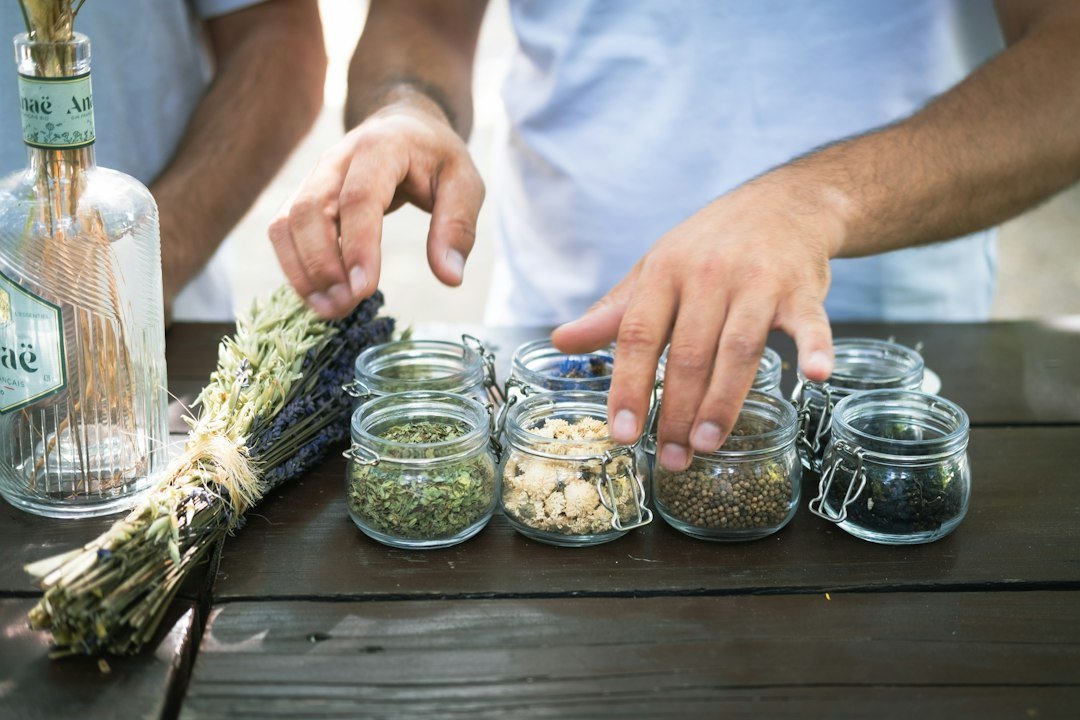
- Have I salted at least once early and once near the end?
- Did I bloom dried spices in fat or toast whole spices first?
- Did I taste and adjust in the sequence salt → acid → sweet → fat → heat?
- Do I have a finishing acid or fresh herb ready to brighten the dish?
- If too spicy or salty, do I have dairy, starch, or unsalted liquid to correct it?
Make seasoning a staged process: measure, layer during cooking, taste frequently, and correct in a predictable order. Small, timed additions build depth and let you avoid one-note or overwhelming dishes.
How much salt should I add to food while cooking?
Start with roughly 1/2 tsp kosher salt per pound of meat or per 4 servings of vegetables and add in small increments during cooking, finishing with a final taste-based adjustment.
When should I add fresh herbs versus dried herbs?
Add dried herbs early so they rehydrate and release flavor; add fresh herbs at the end to preserve aroma and brightness.
What’s the fastest fix for an overly spicy dish?
Add dairy like plain yogurt or coconut milk, a small spoon of sugar, or serve with rice/bread to absorb heat. Don’t add more liquid unless you want to dilute other flavors.
Can acid replace salt in balancing flavor?
Acid brightens and can reduce the need for more salt, but it doesn’t replace salt’s ability to enhance savory notes—use both carefully.
How do I know if a spice is past its prime?
Smell and taste a pinch: stale spices smell weak or musty and should be replaced; ground spices generally last 6–12 months, whole spices longer.