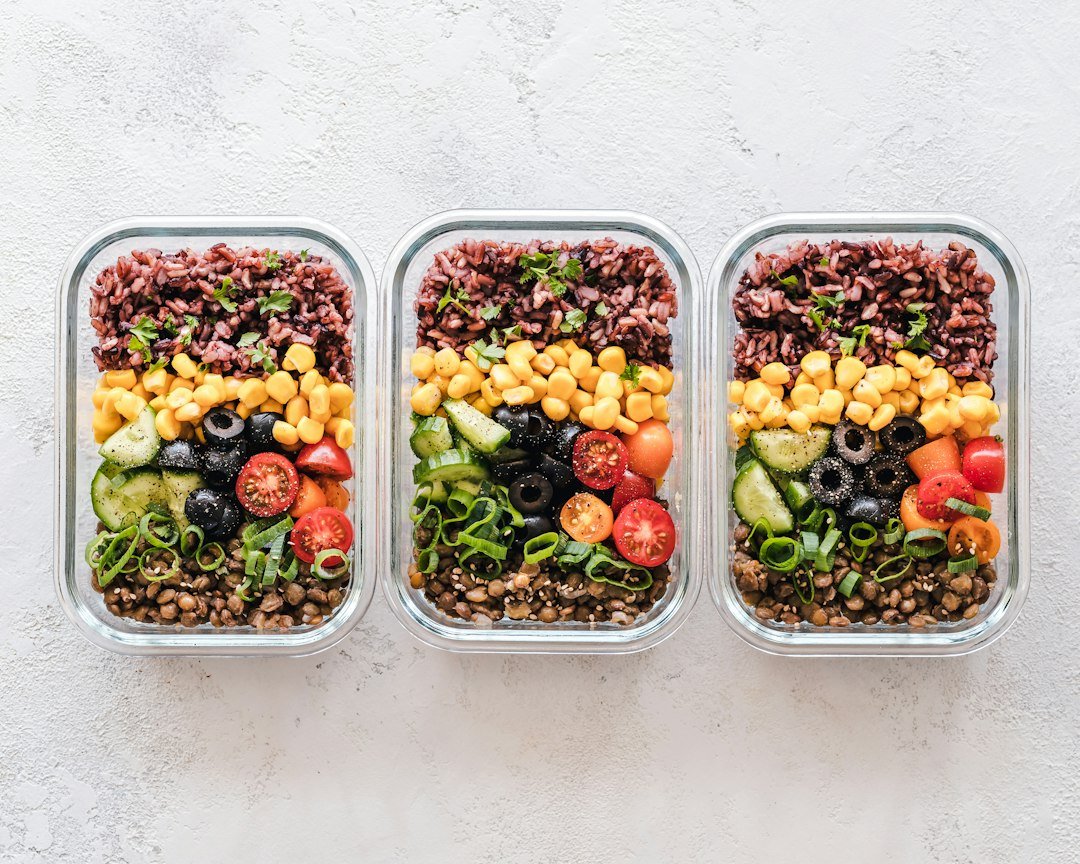

What success looks like: crisp, usable vegetables a week or more
Keeping vegetables crisp isn’t about a single trick; it’s about matching prep and storage to how each vegetable loses water. Do the right small things—trim, control humidity, separate ethylene producers—and you’ll keep salad greens, carrots, celery and peppers ready to eat for days longer.
Prepare vegetables for storage the right way
Start at the sink. Dirt and bruises speed spoilage; gentle cleaning and surface inspection buys time.
- Sort first: remove damaged, slimy or rotten pieces. One bad item ruins the rest.
- Trim where appropriate: cut leafy roots (kale, chard) and remove core heels that trap moisture for lettuce and cabbage. Do not cut heads of broccoli or cauliflower until ready to use.
- Wash or don’t wash based on use: if you’ll use within 24–48 hours, leave whole, unwashed greens in the fridge to reduce surface moisture. If you want ready-to-eat salad for several days, wash and fully dry before storing.
- Dry thoroughly: use a salad spinner for greens or pat with clean towels. Excess water causes limpness and rot.
Choose storage method by vegetable type
Vegetables fall into three practical groups for storage: high-humidity greens, low-humidity crunchy roots/peppers, and special-case items (herbs, celery, mushrooms). Follow the matching method.
High-humidity greens: lettuce, spinach, kale, chard
Goal: keep leaves hydrated but not wet, and limit air exchange that dries them out.
- Layer damp (not wet) paper towels inside a breathable container: place a dry paper towel, then greens, then another slightly damp towel. Alternatively use a salad spinner with a dry towel over the basket between uses.
- Use a perforated container or a resealable bag opened slightly for airflow. Store in the crisper drawer on the high-humidity setting if your fridge has it.
- Check every 2–3 days: remove any slimy leaves and replace the top towel when it becomes wet.
Low-humidity crunchy vegetables: carrots, bell peppers, cucumbers, radishes
Goal: prevent water loss—these benefit from slightly moist but sealed environments.
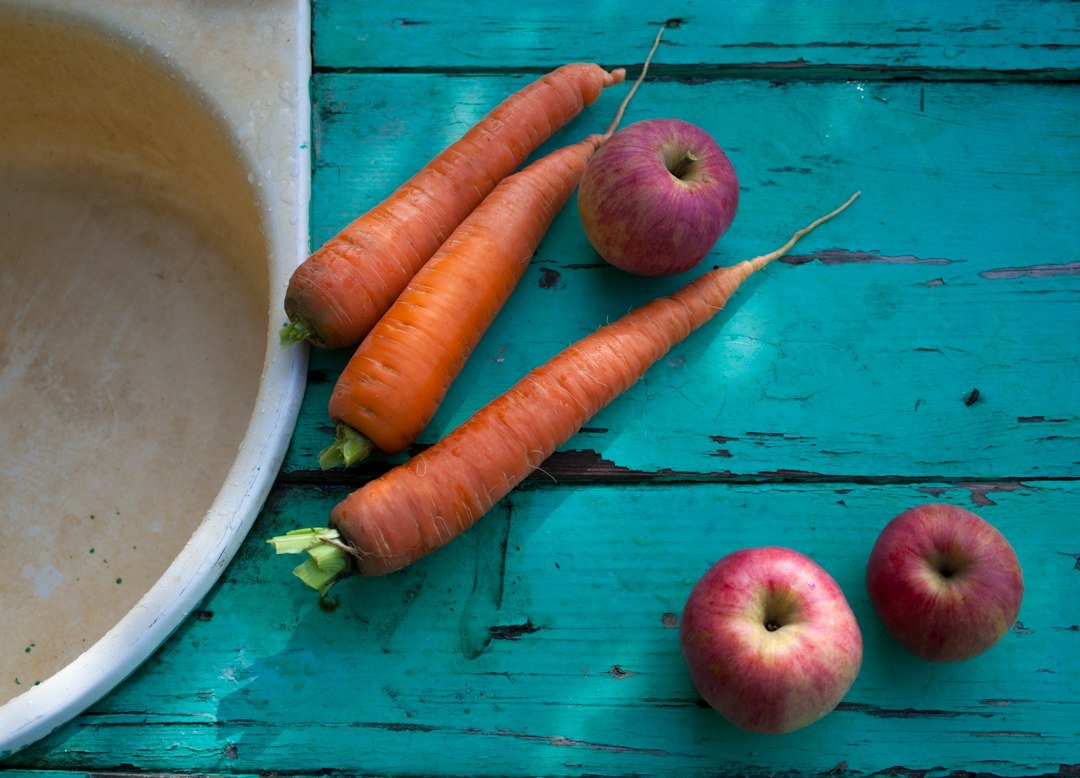
- Carrots and radishes: trim greens to prevent them drawing moisture out; store carrots in an airtight container or jar of water (change water every 2–3 days). Whole carrots last longer than baby-cut.
- Peppers and cucumbers: store dry in a perforated bag or loose in the main fridge shelf, not the high-humidity drawer; avoid sealing them completely as trapped moisture can rot the skin.
- For mixed chopped vegetables, use airtight containers lined with a paper towel to absorb excess moisture.
Special cases: celery, herbs, and mushrooms
These need tailored approaches to stay crisp.
- Celery: trim the base and stand stalks upright in a jar of cold water or wrap in foil loosely; water method keeps stalks crunchy—replace water weekly.
- Fresh herbs: treat like cut flowers—trim stems and place in a jar with a little water and a loose plastic bag over the leaves, or wrap in damp paper towels and store in a container.
- Mushrooms: don’t seal. Store in a paper bag on a fridge shelf; avoid washing until use to prevent sogginess.
Control the fridge: humidity, temperature and airflow
Most refrigerators are colder than necessary for produce; aim for 34–40°F (1–4°C). Use crisper drawers: one set to high humidity for leafy greens and one set to low for fruits, peppers and cucumbers. Avoid overpacking drawers—air circulation matters as much as settings.
Small tools and container strategies that work
- Perforated produce containers or plastic boxes with vent holes help maintain humidity without trapping condensate.
- Glass jars for carrots or celery in water are inexpensive and visible—replace water and check weekly.
- Paper towels are cheap humidity regulators: they absorb sweat and slow rot when placed between layers of produce.
- Mesh produce bags are good for items that need some airflow (e.g., mushrooms, peppers).
Revive limp vegetables quickly
If a vegetable is limp rather than rotten, you can often bring it back.
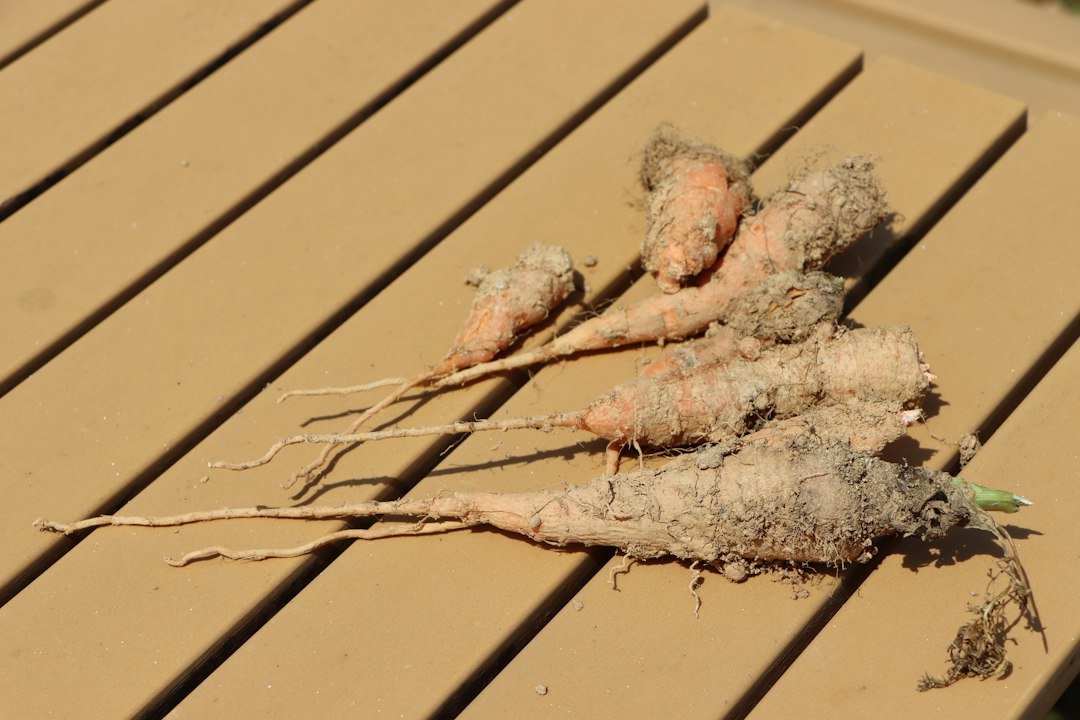
- Carrots, radishes, celery: trim ends and submerge in very cold water for 30–60 minutes; for severe limpness, use ice water and refrigerate during soaking.
- Lettuce and leafy greens: separate any limp leaves and place in ice water for 5–15 minutes, then spin and dry thoroughly before storing again.
- Peppers and cucumbers: soak in ice water for 20–30 minutes to restore crispness; dry well before using.
Troubleshooting common problems
Problem: produce sweats and gets slimy. Cause: trapped condensation. Fix: open container, replace wet paper towels and allow to dry briefly before resealing with a dry towel.
Problem: bitterness or off smell. Cause: ethylene exposure from nearby fruits (bananas, apples). Fix: move ethylene producers out of the crisper drawer and store high-sensitivity vegetables separately.
Problem: freezer damage or very cold spots. Cause: vegetables freezing then thawing become mushy. Fix: keep fragile veg away from back wall vents and set fridge above 34°F (1°C) if possible.
- Sort and discard damaged pieces before storing.
- Dry washed greens fully; use a salad spinner or clean towels.
- Use damp paper towels or jar water where appropriate.
- Separate ethylene-producing fruits from sensitive vegetables.
- Set crisper drawers for high or low humidity and avoid overfilling.
- Revive limp items with cold or ice water before serving.
Preserve crisp vegetables by matching simple prep to storage: dry or slightly damp as needed, control humidity with towels or jars, separate ethylene producers, and revive limp produce with cold water. Small, consistent habits extend usable life and reduce waste.
Should I wash greens before storing?
Wash if you want ready-to-eat greens and plan to store them dry; otherwise keep them unwashed to reduce surface moisture and wash just before use.
How often should I change water for vegetables stored in jars?
Change water every 2–7 days; quicker (2–3 days) for warmer fridges or visible cloudiness to prevent bacterial growth.
Can I use plastic bags for everything?
Plastic bags work for many items when vented or with a paper towel, but avoid fully sealing mushrooms and peppers where trapped moisture causes rot.
Why do my carrots go limp quickly?
Carrots lose moisture through their skin; trimming greens, storing whole, or keeping them submerged in fresh water in the fridge will keep them crisp much longer.
Will refrigeration always keep vegetables crisp?
Refrigeration slows decay but won’t prevent moisture loss if storage is poor—appropriate containers, humidity control and avoiding bruises are essential.