
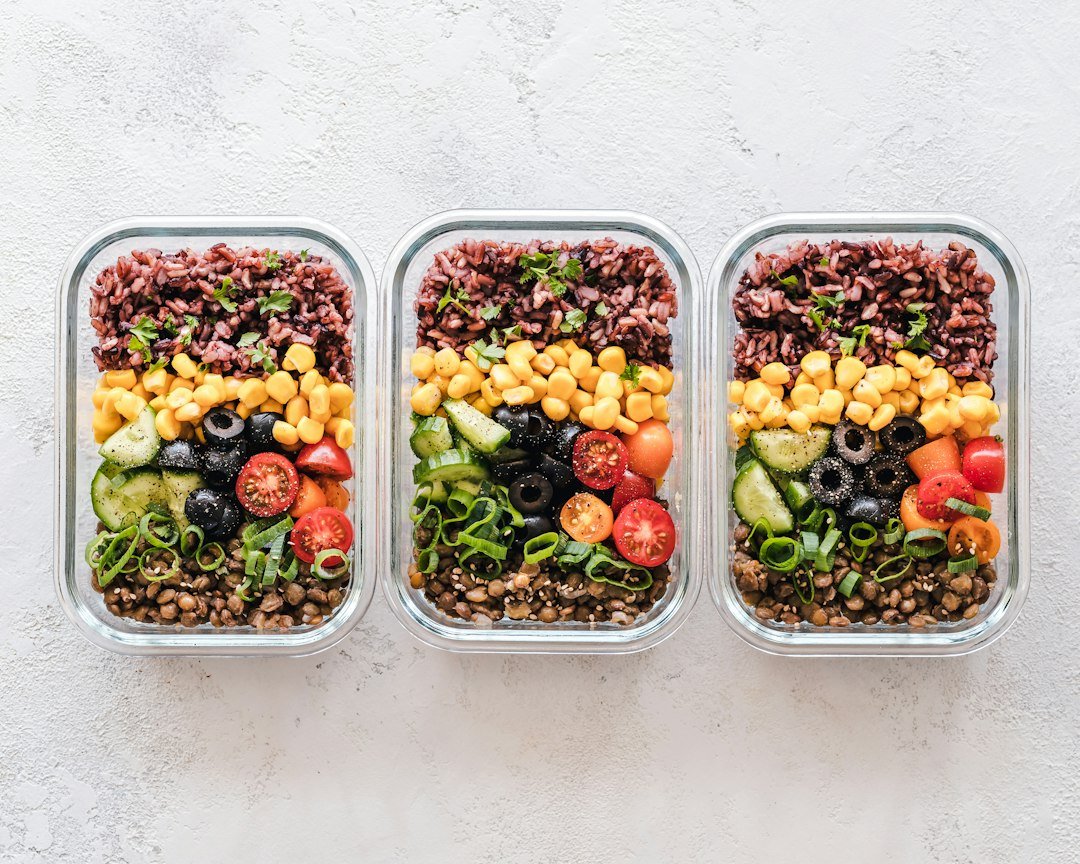
End result: dinners that take 10 minutes to plate on weeknights
Prepare weeknight meals ahead so you can reheat or assemble a balanced dinner in 10–15 minutes any night. This guide gives a planning rhythm, three practical make-ahead recipes (one vegetarian, one chicken, one pasta-based), safe storage rules, and quick reheating steps you can follow on Sunday or any prep day.
How to plan a realistic prep session
Start by deciding how many dinners you want ready (2–5 is realistic for one prep session). Choose one protein, one grain, one roasted vegetable, and one sauce or salad that can mix-and-match across meals. Example plan for 3 weeknight dinners for two people:
- Protein: 1.5 lb boneless skinless chicken thighs (or 1 box firm tofu)
- Grain: 2 cups dry brown rice (makes ~6 cups cooked)
- Veggies: 1 large tray mixed root vegetables + 1 bunch broccoli
- Sauce/salad: 1 jar lemon-tahini sauce + simple green salad
Make a shopping list that groups ingredients by fridge/frozen/dry. Reserve 90–120 minutes on your prep day: 15 minutes to set up, 60–75 minutes cooking/batching, 15–30 minutes cooling and packing.
Essential mise en place and tools
Lay out: 1) cutting board and sharp chef’s knife, 2) sheet pans, 3) one large pot with lid for rice or grains, 4) 3–6 reusable meal containers, 5) resealable freezer bags and marker, 6) instant-read thermometer. Wash produce, preheat oven to 425°F (220°C), and position your containers for quick packing.
Recipe 1 — Sheet-pan roasted chicken and vegetables (makes 4 portions)
Ingredients
- 1.5 lb (700 g) boneless skinless chicken thighs, trimmed
- 1 lb (450 g) carrots and sweet potatoes, cut 1" pieces
- 1 red onion, cut into wedges
- 2 tbsp olive oil
- 1 tsp kosher salt, ½ tsp black pepper, 1 tsp dried oregano, ½ tsp smoked paprika
- Juice of ½ lemon (optional)
Steps
- Preheat oven to 425°F (220°C). Toss vegetables with 1 tbsp oil, ½ tsp salt, ¼ tsp pepper on a sheet pan; spread into a single layer.
- In a bowl, toss chicken with 1 tbsp oil, remaining salt and pepper, oregano and paprika.
- Arrange chicken among vegetables leaving space; roast 28–35 minutes until vegetables are tender and chicken reaches 165°F (74°C).
- Finish with lemon juice if using. Cool 10–15 minutes before dividing into containers.
Timing notes: While the pan roasts, start rice or prepare the sauce below.
Recipe 2 — Big pot of rice (or quinoa) for the week
Ingredients (makes ~6 servings)
- 2 cups brown rice, rinsed
- 4¼ cups water or low-sodium broth
- ½ tsp salt
Steps
- Bring water and salt to a boil in a heavy pot. Stir in rice, return to a simmer, cover and reduce heat low. Cook 40–45 minutes until water’s absorbed.
- Turn off heat, keep covered 10 minutes, then fluff with fork. Cool slightly before packing.
For faster timing, use 2 cups quick-cooking brown rice (check package) or cook white rice (18 minutes). Quinoa cooks in ~15 minutes and is fine if you need speed.
Recipe 3 — One-pot tomato pasta sauce (use for quick reheats or freezer)
Ingredients (makes 4–6 servings)
- 1 tbsp olive oil
- 1 small onion, finely chopped
- 2 garlic cloves, minced
- 1 can (28 oz) crushed tomatoes
- 1 tsp dried basil, ½ tsp salt, ¼ tsp pepper, pinch red pepper flakes (optional)
- ½ cup water
- 8 oz pasta (store separately) or 12 oz cooked pasta if making ahead
Steps
- Sauté onion in oil 4–5 minutes until translucent. Add garlic 30 seconds.
- Add tomatoes, seasonings and water; simmer uncovered 15–20 minutes until slightly thickened.
- Cool and pack in containers or freeze in portions. If cooking pasta ahead, toss with 1 tbsp oil to prevent sticking.
Packing, cooling and storage rules
Pack cooled food into meal containers in meal-sized portions. General safe-storage rules:
- Refrigerate within 2 hours of cooking; divide large batches into shallower containers to cool faster.
- Refrigerator: 3–4 days for cooked chicken, rice, cooked vegetables, and pasta sauce.
- Freezer: up to 3 months for cooked grains and proteins; use airtight containers or freezer bags with date labels.
- Label each container with contents and date. Use an instant-read thermometer when reheating: internal temp 165°F (74°C) for meat.
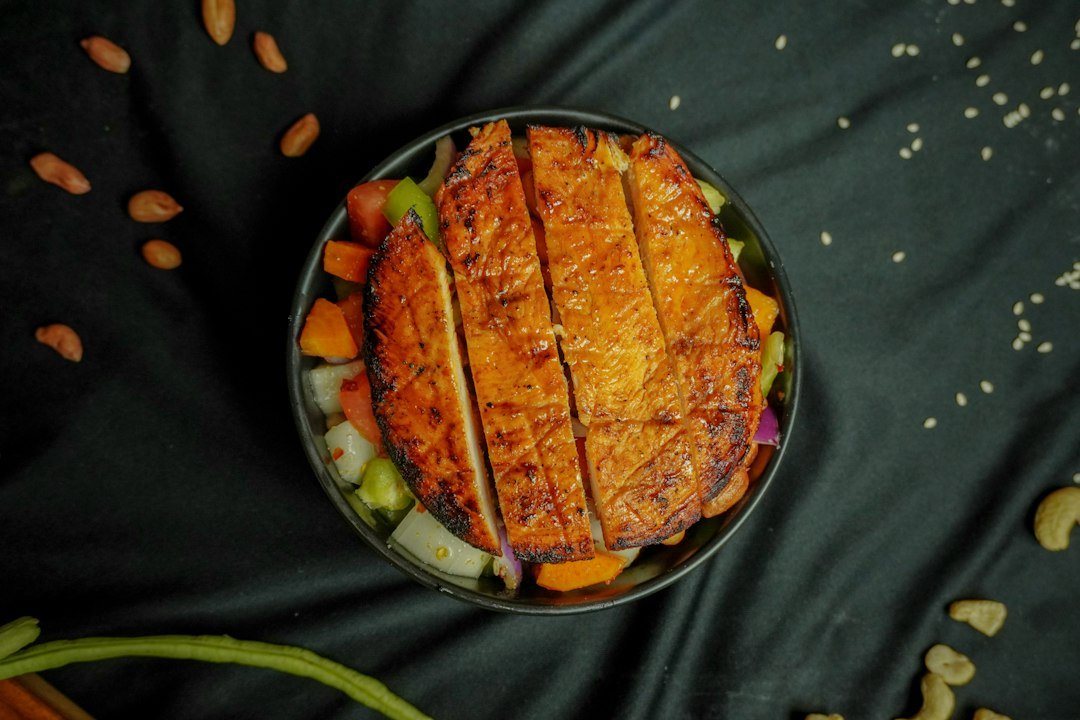
Quick reheating and assembly techniques
Reheat safely and retain texture:
- Microwave: cover loosely, heat 1–2 minutes, stir, then continue in 30–60 second bursts until 165°F. Add a tablespoon of water if rice is dry.
- Skillet reheat (recommended for texture): add 1 tsp oil to a nonstick skillet, warm vegetables and protein over medium heat 4–6 minutes, stirring; add sauce last.
- Oven: reheat covered at 350°F (175°C) for 10–15 minutes for larger portions.
- For frozen meals: thaw overnight in fridge or use microwave defrost, then reheat thoroughly to 165°F.
Simple variations and swaps
Swap tofu for chicken (press and roast at same temp), or use salmon fillets (reduce roast time to 12–16 minutes). Turn the roasted vegetables into a grain bowl by topping rice with a spoonful of tahini or the tomato sauce. Use herbs and citrus to refresh flavors when reheating.
Troubleshooting common issues
Dry chicken after reheating: slice thinly and reheat gently in a sauce or with a splash of broth. Mushy vegetables: roast at higher temp next time, and avoid reheating high-water vegetables in the microwave—use a skillet instead. Rice clumping: add a teaspoon of neutral oil after fluffing to separate grains, or reheat with a splash of water and fluff midway.
- Choose 2–4 core components that mix-and-match across meals.
- Reserve 90–120 minutes and gather containers, marker and thermometer.
- Cook grains, batch-roast protein/veggies, and make one sauce.
- Cool quickly, pack in meal-sized portions, label with date.
- Reheat to 165°F for proteins; thaw frozen meals safely overnight.
Spend one focused session to produce versatile bases—protein, grain, vegetables and a sauce—and you’ll turn busy weeknights into quick reheats or simple assemblies that take 10–15 minutes. Small habits like portioning, labeling and reheating gently preserve texture and flavor.
How long can I keep prepared meals in the fridge?
Most cooked meals (meat, grains, vegetables, sauce) are safe for 3–4 days refrigerated. If you need longer, freeze in portion sizes for up to 3 months.
Can I freeze mixed meals with rice and sauce together?
Yes—freeze in airtight containers, but note rice texture may change; thaw in fridge overnight and reheat with a splash of water.
What’s the fastest way to reheat without drying food out?
Reheat in a skillet over medium heat with a small splash of water or broth; it warms evenly and preserves texture better than the microwave.
How do I keep prepped salads crisp?
Store dressings separately in a small jar and keep leafy greens in a container lined with paper towel to absorb moisture; add dressing just before serving.
Is it safe to reheat food more than once?
Avoid reheating multiple times. Reheat only the portion you’ll eat; repeated cooling and reheating increases food-safety risk and degrades quality.