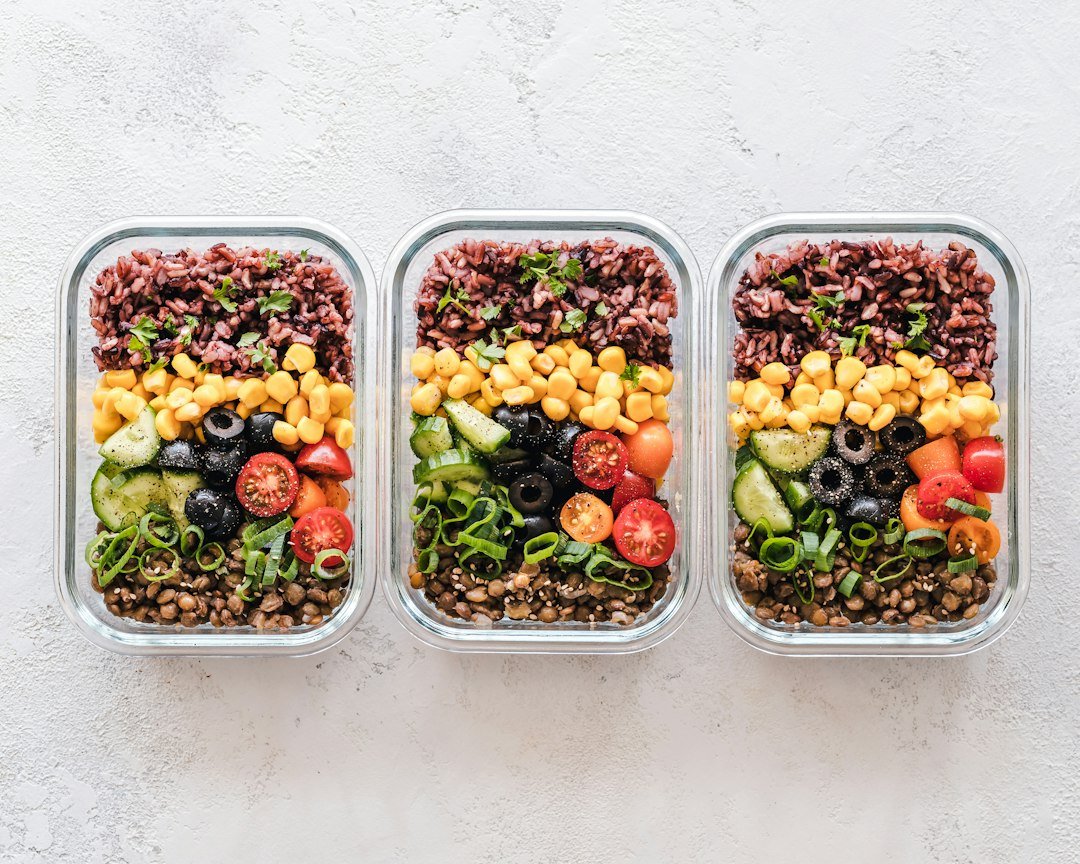
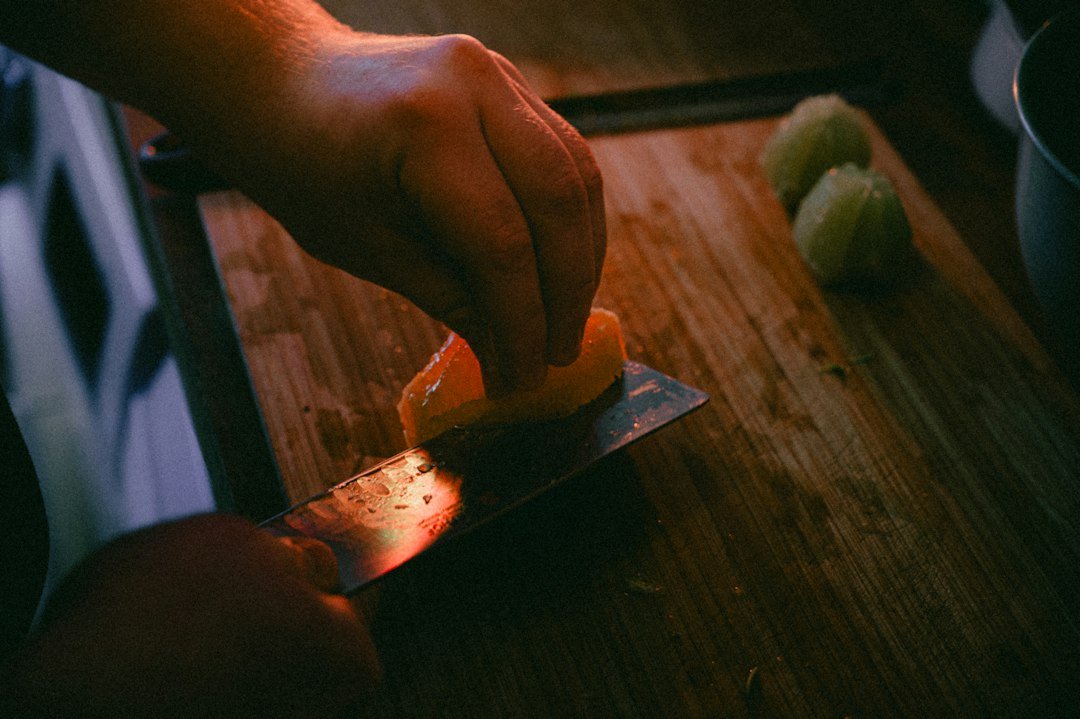
When you need dinner on the table in 30–45 minutes
Picture arriving home with a bag of groceries and 40 minutes before you need to eat. Knowing a handful of essential cooking techniques turns that scramble into predictable steps: fast vegetables, cooked grain, a seared protein and a tossed sauce. Learn those core skills and you’ll build meals from pantry staples without guessing timing or ruining ingredients.
Answer: The essential cooking techniques to learn now
Master these basics: safe knife skills and mise en place; sautéing; boiling/stovetop rice; roasting; pan-searing; and simple food storage. Each skill is short to learn, repeatedly useful, and together covers nearly every weekday meal.
1. Knife skills and mise en place (10–15 minutes practice)
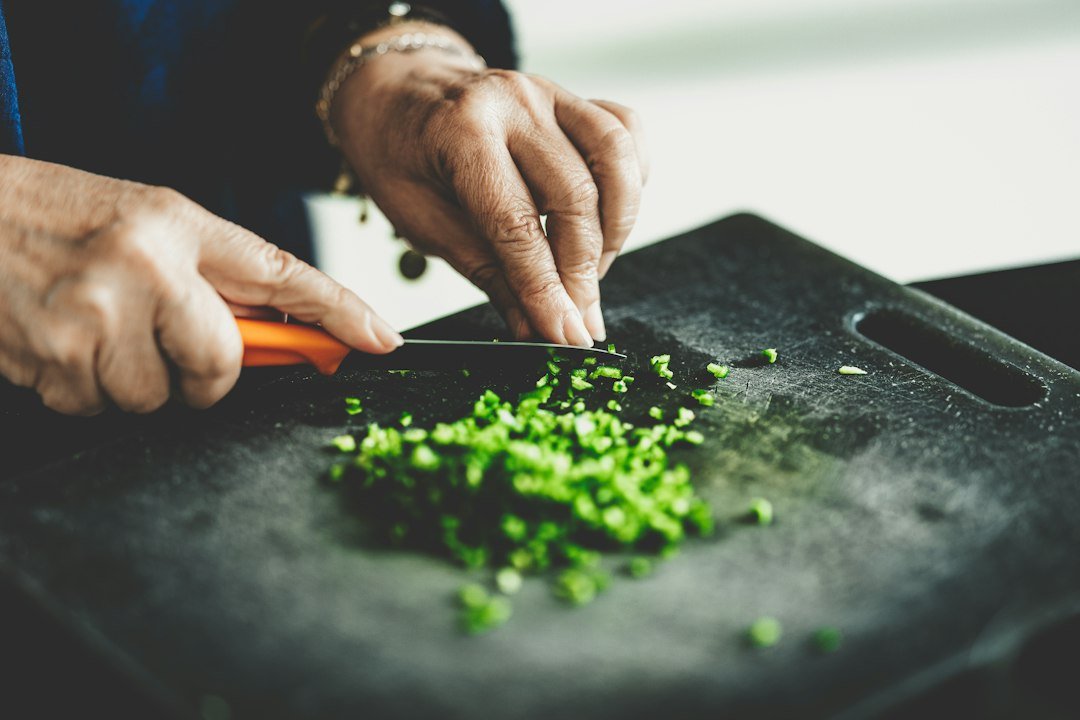
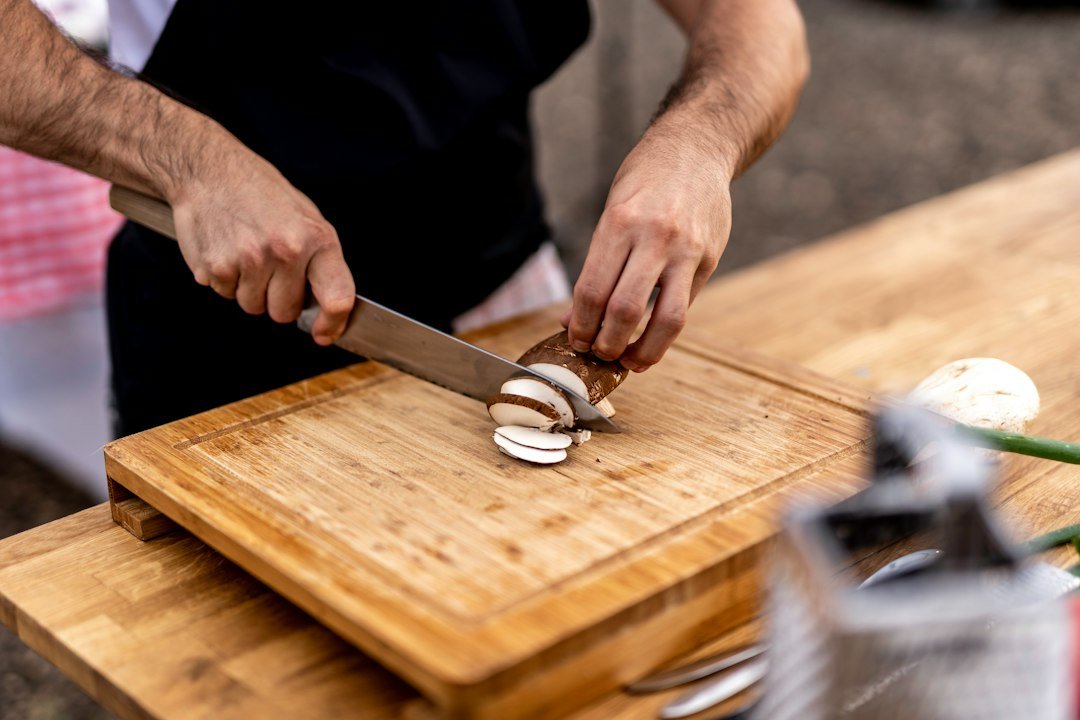
What to practice: a good grip, basic cuts (dice, slice, mince) and consistent sizes so food cooks evenly.
- Tools: chef’s knife (~8-inch) and a stable cutting board.
- Grip: pinch the blade between thumb and side of index finger; wrap four fingers around the handle.
- Guide cut for dice: slice lengthwise, stack, then cut into strips, then across into cubes.
- Mince garlic: press flat with knife, then rock the blade over and over until small.
Practice recipe: Dice 1 medium onion and 2 cloves garlic in about 3–4 minutes. Consistency lets you sauté without burning.
2. Sautéing: quick, high-heat cooking for vegetables and aromatics
Sautéing is about high heat, small oil quantity and movement so food browns but doesn’t steam.
- Pan and heat: medium-high heat, use a skillet that fits ingredients in a single layer.
- Fat: 1–2 tablespoons oil or butter for 2–4 servings.
- Order and timing: add aromatics first—1 tablespoon oil, 1 minced garlic clove and 1/2 chopped onion, 30–60 seconds until fragrant; then add diced vegetables (e.g., 1 bell pepper, 1 zucchini) and cook 5–8 minutes until tender and lightly browned.
- Season late: salt too early draws moisture; season 1–2 minutes before finishing.
Quick recipe: Sautéed vegetable side—heat 1 tbsp olive oil in a medium pan, add 1/2 diced onion, cook 2 min; add 1 minced garlic clove, 1 diced bell pepper and 1 zucchini, cook 6–8 min, finish with 1/2 tsp salt and 1 tbsp chopped parsley.
3. Boiling stovetop rice reliably
Rice is a foundation. Use the absorption method for consistent fluffy rice.
- Ratio and timing: long-grain white rice — 1 cup rice to 1.5 cups water; bring to a boil, reduce to a low simmer, cover and cook 15 minutes. Turn off heat and steam 10 minutes with lid on.
- Shortcuts: rinse rice under cold water until water runs clear to reduce stickiness; for brown rice use 1 cup rice to 2 cups water and 40–45 minutes cook time.
4. Roasting: hands-off flavor from the oven
Roasting concentrates flavor—great for vegetables and one-pan dinners.
- Vegetables: toss 1 lb chopped vegetables (carrots, potatoes, broccoli) with 1–2 tbsp oil, 1 tsp salt, pepper and spread in a single layer on a rimmed baking sheet. Roast 425°F (220°C) for 20–30 minutes, tossing halfway.
- Proteins: bone-in chicken thighs roast at 425°F for 30–40 minutes depending on size; check for 165°F internal temperature or that juices run clear.
- Tip: avoid overcrowding the pan—air circulation creates browning.
5. Pan-searing a protein (quick, caramelized exterior)
Pan-searing creates texture and flavor; finish in the oven if thick.
- Prepare: pat protein dry—example 2 boneless chicken breasts (about 6–8 oz each), salt & pepper both sides.
- Sear: heat 1–2 tbsp oil in a heavy skillet over medium-high until shimmering. Add chicken, don’t move for 4–5 minutes until a deep brown crust forms, flip and cook 3–5 minutes. For thicker pieces finish in a 400°F oven 6–10 minutes until 165°F internal.
- Doneness: use a thermometer or cut the thickest part—juice should be clear, center not raw.
6. Simple sauces and finishing techniques
A quick pan sauce turns seared meat into a composed meal: after searing, remove the protein, add 1/4 cup wine or stock to deglaze the pan scraping browned bits, simmer 1–2 minutes, stir in 1 tbsp butter off heat and pour over protein. For a vegetable dressing: whisk 2 tbsp olive oil, 1 tbsp vinegar, 1 tsp mustard, salt and pepper.
7. Food storage and safe reheating
Store leftovers promptly—cool to room temperature no more than 2 hours, then refrigerate in shallow airtight containers.
- Refrigerator: eat within 3–4 days.
- Freezer: most cooked meals freeze well for 2–3 months; label with date and contents.
- Reheat: reheat to steaming hot—165°F for safety. Reheat rice with a sprinkle of water and a tight lid to restore moisture.
Putting it together: a 35-minute dinner example
Menu: pan-seared chicken, sautéed vegetables, and boiled rice.
- Start rice: 1 cup rice + 1.5 cups water — bring to boil, reduce to simmer, cover 15 minutes then steam 10 minutes off heat.
- Prep: while rice heats, chop 1 onion, 2 garlic cloves, 1 bell pepper, 1 zucchini (10 minutes mise en place).
- Sear chicken: pat 2 chicken breasts dry, salt/pepper; sear 4–5 minutes per side in 1 tbsp oil; finish 6 minutes in 400°F oven if needed.
- Sauté veg: in same pan (after chicken rests), add 1 tbsp oil, cook onion 2 minutes, add garlic 30 sec, add peppers and zucchini 6–8 minutes; season and finish with a squeeze of lemon.
- Serve: fluff rice, slice chicken, plate veggies. Total active time ~30–35 minutes.
- Practice one knife cut for 10 minutes each week.
- Use a timer for sautéing and roasting to learn visual cues.
- Cook rice before starting protein so timing syncs.
- Don’t overcrowd pans or sheet trays—work in batches if needed.
- Cool and store leftovers within 2 hours in shallow containers.
Focus on repeatable, measurable habits: uniform chopping, controlled heat, simple ratios (rice and water), and resting/holding times. Those small rules create predictable meals and reduce waste.
How quickly can I learn these basics?
With focused practice you’ll be comfortable in 4–6 weeks: spend 15–30 minutes a few times a week practicing knife cuts and one cooking method at a time.
What’s the easiest protein to start with?
Boneless chicken breasts or thighs are forgiving and quick; start with thighs if you’re worried about drying out, as they tolerate higher heat and longer cooking.
How do I prevent vegetables from becoming mushy?
Cut vegetables to uniform sizes, use high enough heat for a quick cook, and avoid overcrowding the pan so they brown rather than steam.
Can I make everything ahead and reheat?
Yes—cook rice and proteins ahead, store in shallow containers, and reheat to steaming hot; add fresh herbs or a squeeze of lemon after reheating to brighten flavors.
How much salt should I use?
Start with 1/4–1/2 teaspoon of fine salt per serving when cooking, then adjust at the end; seasoning late during sautéing preserves moisture in vegetables.