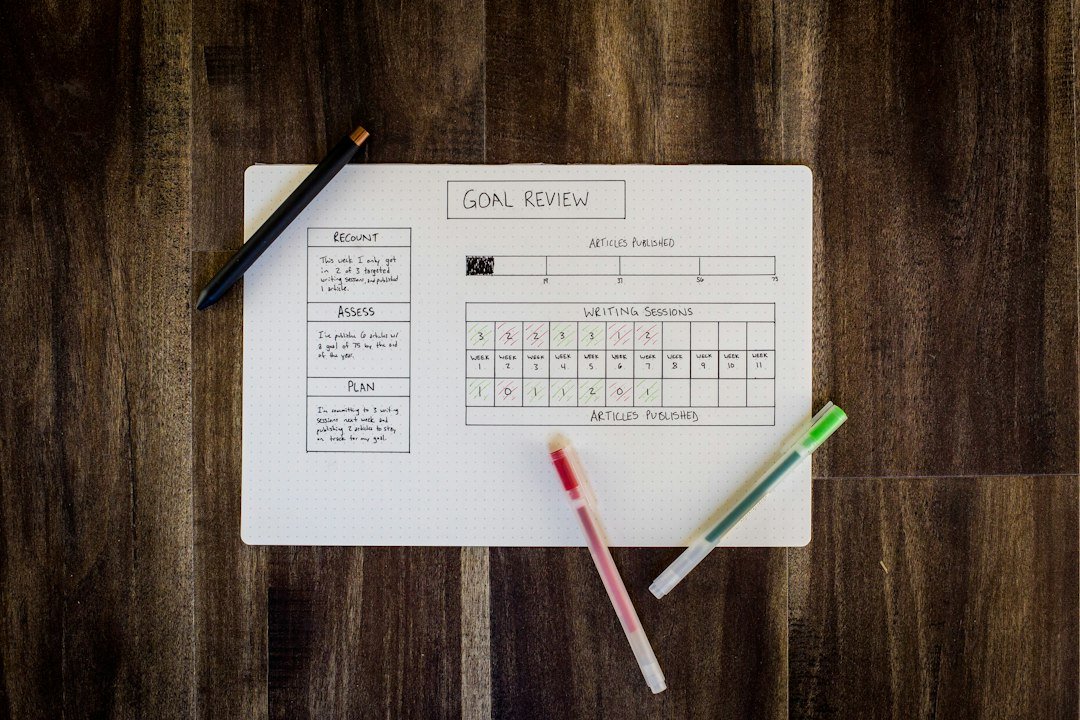

End result: a realistic daily routine that keeps you moving, clear-headed and steady with weight over weeks
The goal is not to “exercise for an hour” at your desk but to accumulate movement, reduce prolonged sitting, and pair that with small eating and sleep habits so your energy, posture and weight stay manageable. Below is a compact, practical process you can implement in a typical 8–10 hour workday.
Create a movement skeleton for your workday
Design a repeating pattern you can follow without thinking: micro-movements every 20–30 minutes, a 10–15 minute focused break mid-morning and mid-afternoon, and a 20–40 minute active period before or after work. This scaffolding turns exercise into predictable behavior rather than a willpower battle.
- Set a simple rhythm: stand or move for 2–3 minutes every 20–30 minutes; add one 10–15 minute walk or movement session in the morning and another in the afternoon.
- Use low-friction cues: an alarm, a calendar block titled “Move,” or a lightweight app. Keep it visible until the habit is automatic.
- Start small: if you're new, aim for 1–2 minutes every 30 minutes and one 10-minute break, then build from there.
Micro-movements that actually change your day
Micro-movements are short, simple actions you do at your desk to improve circulation, posture and calorie burn. They add up.
- Seated march: lift knees alternately 30–60 seconds while breathing steadily.
- Calf raises (standing): 15–25 reps while holding the desk edge; do 2–3 sets spread through the morning.
- Desk push-ups or inclined push-ups: 8–15 reps against the desk for chest and shoulder activation.
- Torso twists: seated or standing, gently rotate side to side for 30–60 seconds to relieve low-back stiffness.
- Shoulder blade squeezes: 10–15 repetitions to counter forward-leaning posture.
Build two practical movement breaks into your schedule
One focused morning break and one afternoon break keep you from slipping into lethargy. Keep each short and goal-directed.
- Morning 10–15 minute session: brisk walk, stair climb, or a 10-minute bodyweight circuit (squats, lunges, plank holds, push-ups). This raises baseline energy.
- Afternoon 10–15 minute reset: mobility and breathing (hip openers, thoracic rotations, hamstring stretches) and a short walk to clear the head before late-day work.
Use your workspace to encourage movement
Small environmental changes reduce friction for moving.
- Place essentials (water, trash, printer) a short walk away.
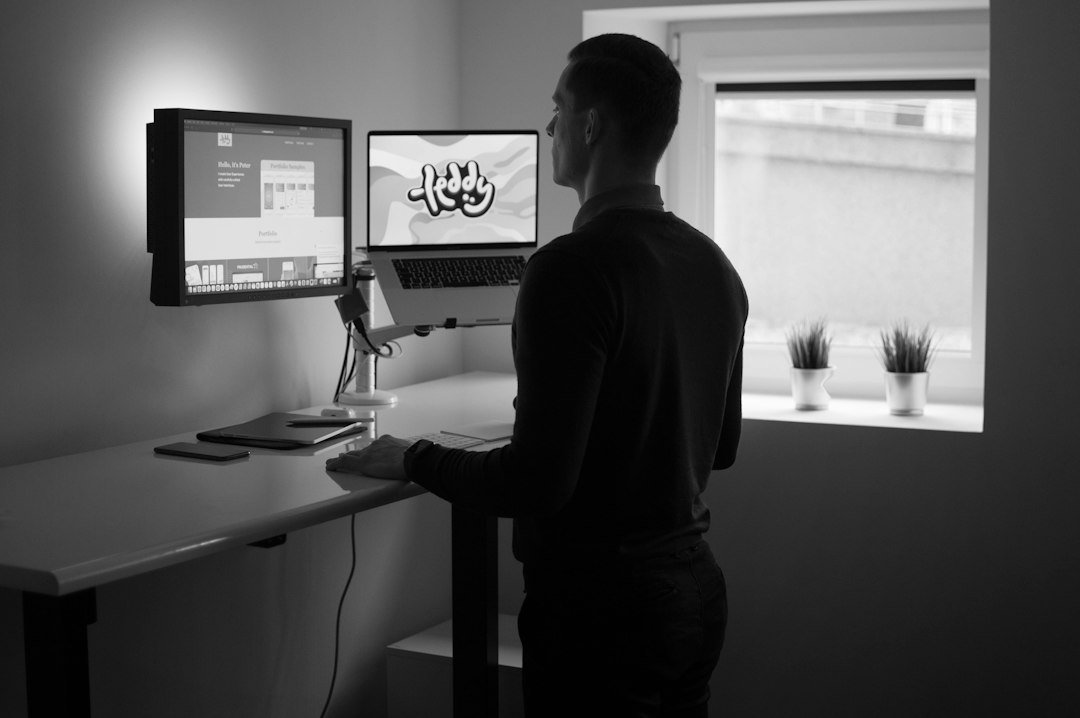
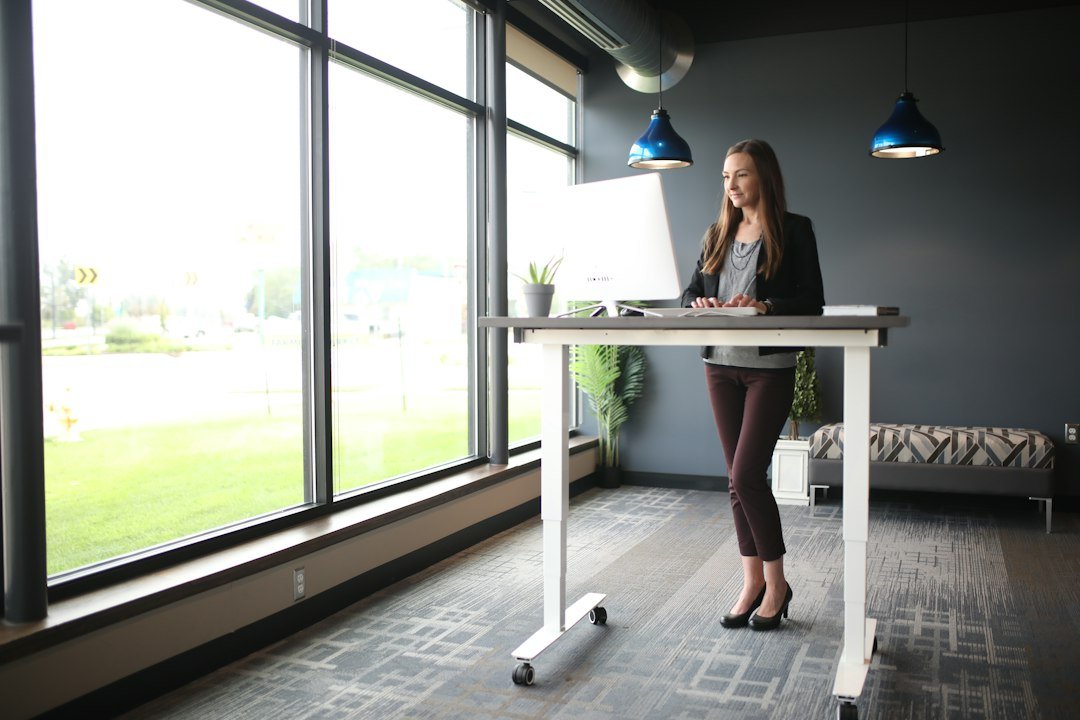
- If possible, alternate sitting and standing. A practical pattern is 45–60 minutes sitting, 15–20 minutes standing; adapt to your comfort.
- Keep a pair of comfortable walking shoes near your desk; putting them on is a psychological cue to move.
Combine movement with weight-management habits that fit desk life
Movement helps but pairing it with sustainable eating and timing matters more than any single “diet.”
- Eat balanced meals with protein and fiber to stay full and reduce mindless snacking (eg, Greek yogurt + berries, a turkey wrap with veg, lentil salad).
- Use a simple eating window if that helps control snacking—don’t force extreme calorie cuts. A 10–12 hour eating window often fits office life.
- Plan two smart snacks for the day to avoid vending-machine choices: fruit + nut portion, plain popcorn, or carrot sticks with hummus.
- Hydrate regularly; a visible water bottle makes sipping more likely and creates natural break points.
Sleep and recovery that support desk-day energy
Poor sleep amplifies inactivity and cravings. Small, consistent sleep habits support daytime movement.
- Keep a consistent wake time and aim for 7–9 hours of sleep. Fix the wake time first, then adjust bedtime to match.
- Create a simple wind-down: stop screens 30–60 minutes before bed or use low-blue-light settings, dim lights, and a short relaxation routine (reading, breathing).
- Avoid heavy meals and stimulants (caffeine) in the 2–4 hours before bedtime to improve sleep quality and morning energy for movement.
Fit strength into a busy week without long gym sessions
Two 20–30 minute strength sessions per week are enough to maintain muscle and metabolic health for most desk workers.
- Choose compound moves: squats, lunges, push-ups, rows (band or bent-over), and planks. Do 2–3 sets of 8–15 reps per exercise.
- Work these into morning or evening routines, or use a longer lunch break once or twice a week.
- If time is tight, split sets across the day: one exercise in the morning, another at lunch, a third in the evening.
Troubleshooting common barriers
How to adapt when things go wrong.
- No time? Shift to more frequent 1–2 minute micro-breaks and one 10-minute walk instead of a 30-minute session.
- Distracting coworkers? Use headphones or ask for “focus” blocks and schedule movement during meetings or forced breaks.
- Pain or discomfort? Reduce range and frequency, focus on mobility and posture, and consult a clinician if pain persists.
Practical recap checklist, takeaway and quick FAQs
- Set a 20–30 minute movement rhythm with visible cues (timer/calendar).
- Do micro-movements every break: seated march, calf raises, torso twists.
- Take two 10–15 minute active breaks (walk + mobility).
- Schedule two 20–30 minute strength sessions during the week.
- Keep balanced meals, two planned snacks, and a water bottle in view.
- Protect sleep with a steady wake time and a 30–60 minute wind-down.
Turn movement into a low-friction pattern: short frequent breaks, two focused activity windows, modest strength work, and steady eating and sleep habits. These small, repeatable practices are what change energy, posture and weight over time.
How often should I stand if I have a sit–stand desk?
Aim to alternate roughly every 45–60 minutes sitting with 15–20 minutes standing; adjust for comfort and add movement while standing (calf raises, mini-squats).
Will micro-movements really help with weight control?
Micro-movements increase overall daily activity, reduce metabolic slow-down from prolonged sitting, and make larger workouts easier—helpful when combined with sustainable eating and sleep habits.
What if I can’t take breaks because of meetings?
Use micro-breaks during long meetings (stand when possible, stretch in place), take movement between calls, or schedule a standing walking meeting when appropriate.
Can I replace gym sessions with desk exercises?
Desk exercises help a lot, but include two weekly 20–30 minute strength-focused sessions (home or gym) to maintain muscle and metabolic health.
How do I stay consistent without losing motivation?
Make movement automatic: schedule it, pair it with existing habits (coffee break, post-email), start very small, and track progress privately for a few weeks until it feels routine.