
Most people think you need equipment to get stronger; you don’t. Here’s what works.
The quick answer: start with four basic movements—squat, hinge (hip-dominant), push and core—and practice scaled bodyweight versions in a short, consistent routine 3–4 times per week. Below are specific exercises, form cues, progressions, session structure and small diet/sleep habits that help make gains sustainable.
Beginner bodyweight exercises: the essential list and how to do them
Use these as building blocks. Aim for controlled movement, full range where comfortable, and focus on breathing.
- Chair-supported squat — Feet hip-width, sit back to touch a chair lightly, stand using hips and knees together. Cue: chest up, knees tracking over toes, weight into heels. Reps: 8–15.
- Glute bridge — Lie on back, knees bent, lift hips until body forms a line from shoulders to knees. Cue: squeeze glutes at top, avoid arching lower back. Reps: 10–20.
- Incline push-up (hands on table or counter) — Hands shoulder-width on stable surface, keep body straight, lower chest toward surface. Cue: core braced, neck neutral. Reps: 6–12.
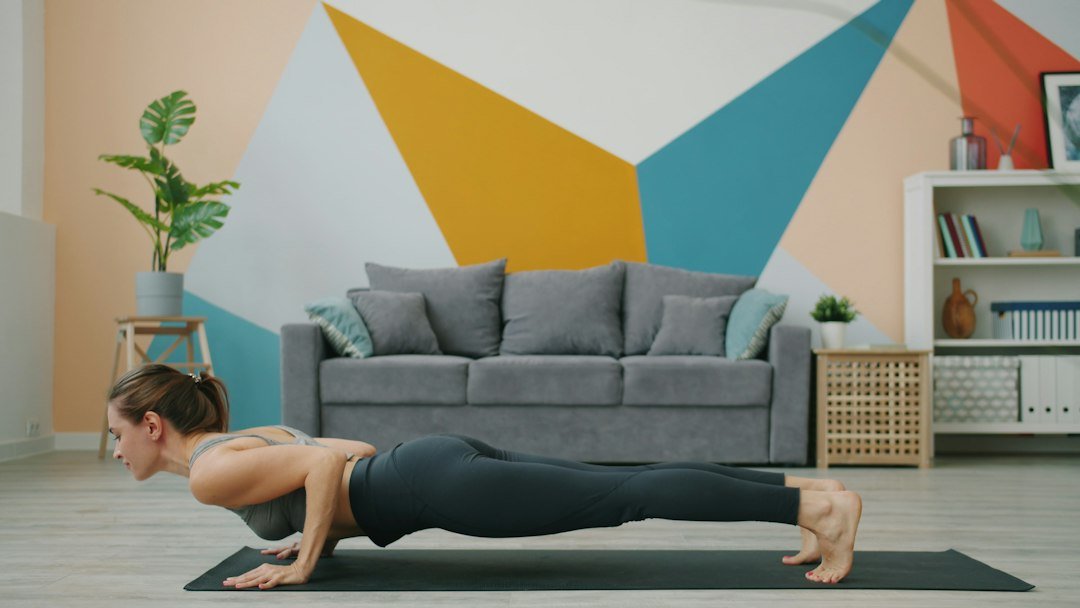
- Kneeling plank / Half-plank — Forearms or hands on floor, knees on mat to reduce load if needed. Hold with hips level. Time: 15–45 seconds.
- Bird-dog — On hands and knees, reach opposite arm and leg straight, pause, return. Cue: avoid sagging or rotating the torso. Reps: 6–10 per side.
- Standing calf raise — Rise up onto toes and lower slowly. Use a wall for balance. Reps: 12–20.
Form-check quick rules
- Move slowly through both concentric and eccentric phases (count 2–3 seconds each way).
- If an exercise pains a joint (sharp pain), stop and switch to a gentler variation.
- Prioritize full-body tension—brace core on pushing or hinging moves.
Sample beginner at-home routine you can complete in 20–30 minutes
Do this 3 times per week on nonconsecutive days. Start each session with a 4–6 minute warm-up: marching in place, arm circles, hip swings, 10 bodyweight squats at an easy pace.
- Round format: 3 rounds of:
- Chair-supported squats ×12
- Incline push-ups ×8–12
- Glute bridges ×15
- Bird-dogs ×8 per side
- Plank (knees if needed) hold 20–40 seconds
- Rest 60–90 seconds between rounds
- Finish: standing calf raises ×15 and 3–5 minutes of gentle stretching (hip flexor, chest opener, hamstring hold).
How to progress without equipment
- Increase reps or sets, add a slower tempo (3–4 second lowering phase), or reduce support (move from incline push-up to knee push-up to full push-up).
- Advance squats to a deeper bodyweight squat, then to single-leg assisted pistols (hold a doorway for balance) when comfortable.
- For planks, increase hold time, then switch to full plank on toes; add shoulder taps for challenge.
- Track one small variable each week (one extra rep, 10% longer hold, or one more set).

How often, and how to build consistency
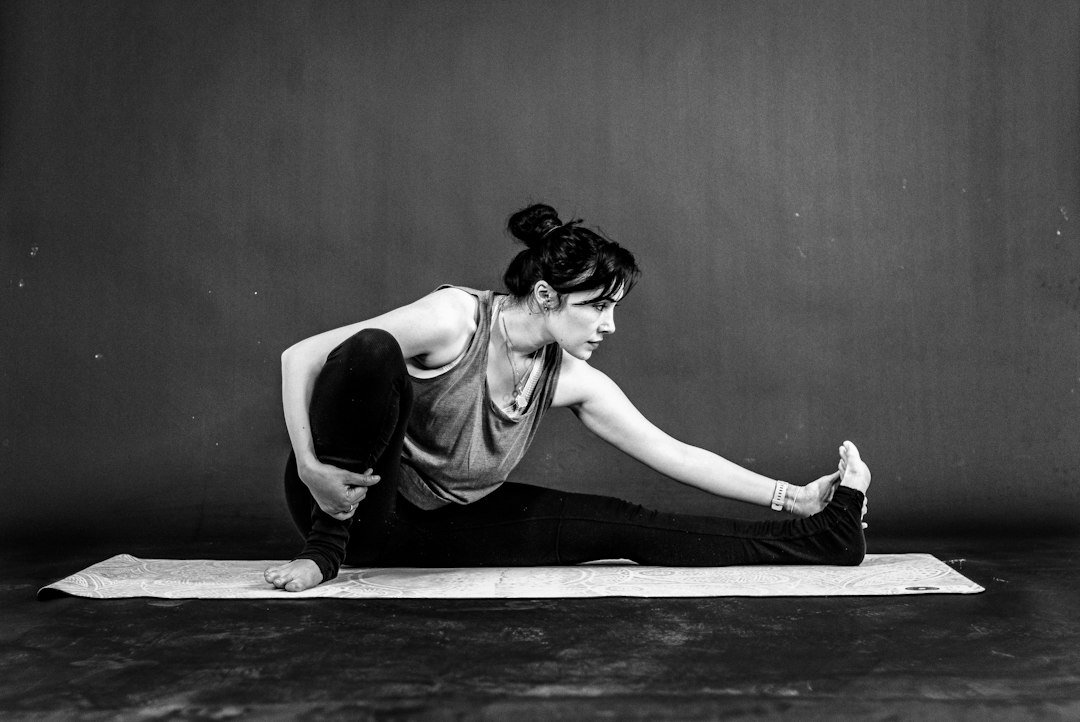
Begin with three structured sessions per week and two active-rest days (walking, light biking, mobility). Consistency beats intensity early—it’s better to do a short 20-minute workout regularly than an infrequent long session.
Use simple anchors: schedule sessions after a morning routine, or pair workouts with a daily habit (brush teeth, coffee). If time is tight, two 10–15 minute mini-sessions (warm-up + two rounds) count toward progress.
Small weight-management and eating habits that support progress
- Prioritize protein at meals (20–30 g at breakfast/lunch/dinner when feasible) to support muscle maintenance.
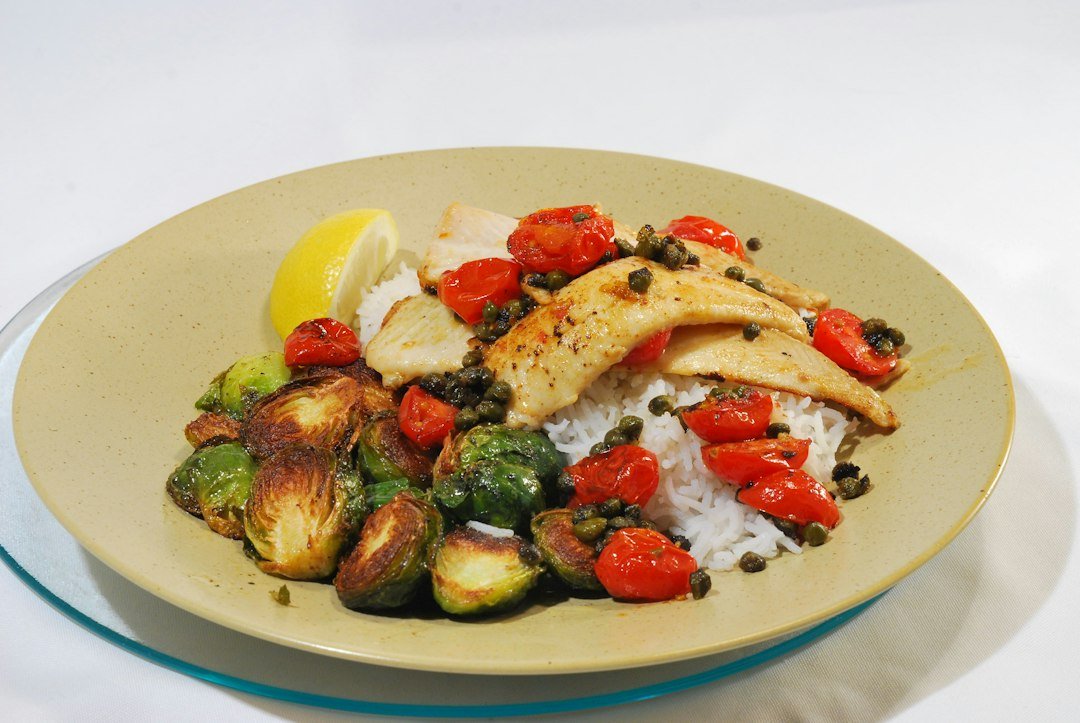
- Focus on whole foods: vegetables, fruit, lean proteins, whole grains and healthy fats. Avoid crash diets—aim for modest, sustainable changes (small portion adjustments, one swap at a time).
- Hydrate throughout the day; drink water before and after workouts.
- Use a simple weekly meal plan or batch-cooked elements (grains, roasted veggies, cooked protein) to reduce decision fatigue.
Sleep and recovery basics
Sleep affects strength and appetite regulation. Aim for consistent sleep timing and 7–9 hours most nights. Practical steps: wind down 30–60 minutes before bed (no bright screens), keep the bedroom cool and dark, and avoid large meals or intense exercise within an hour of bedtime if it disrupts sleep.
Exceptions and safety considerations
If you have a known medical condition, recent surgery, or persistent joint pain, check with a healthcare professional before starting. For common issues: swap high-knee impact moves for low-impact alternatives (marching, slower tempo), and use supports (chair, wall) to reduce joint stress.
- Warm up 4–6 minutes before each session.
- Choose 4–6 basic exercises and focus on controlled reps.
- Start with 3 sessions/week; add short active-rest on other days.
- Progress by reps, sets, tempo or reducing support—not by sudden increases.
- Include protein at meals and aim for regular sleep timing.
Start with the four movement patterns (squat, hinge/glute bridge, push, core) using gentle variations at home. Prioritize consistent short sessions 3 times weekly, gradual progressions, balanced meals and reliable sleep to support steady improvement.
How long until I see results?
Visible or strength changes vary, but many beginners notice easier daily movement and small strength gains within 4–8 weeks when consistent; focus on habits rather than quick outcomes.
Can I lose weight with only bodyweight exercises?
Exercise helps maintain muscle and increase energy use, but sustainable weight change mainly comes from consistent dietary habits and overall activity level; combine both for best results.
What if push-ups hurt my shoulders?
Try incline or knee push-ups, check scapular control (don’t let shoulders round forward), and add mobility work for the chest and upper back; if pain persists, see a professional.
How do I make workouts more challenging without equipment?
Use tempo changes (slower negatives), increase reps/sets, shorten rest, progress to single-leg or full-plank variations, or add balance elements like single-leg bridges.
Is daily stretching necessary?
Regular mobility work helps movement quality and reduces stiffness; short daily stretches or mobility drills (5–10 minutes) are beneficial, especially after workouts.