What really matters — and what you can safely ignore
Worry about consistency and pain-free movement, not intensity or complicated routines. Gentle morning stretching for better mobility focuses on small, repeatable moves that reduce stiffness, wake joints and cue a daily habit. Ignore flashy flexibility challenges and long static holds that cause discomfort; short, joint-friendly stretches with mindful breathing and progressive load do the work.
How to fit a reliable morning mobility sequence into your day
Aim for 6–12 minutes most mornings. That’s enough to change your circulation, neural tone and some joint range without derailing your schedule. The following sequence moves top-to-bottom so you don’t overuse one region early and it’s easy to scale.
Before you begin: quick checks
- Move slowly and stop if sharp pain occurs; mild pulling is normal.
- Keep a glass of water nearby and wear comfortable clothes.
- If you have a diagnosed condition (e.g., recent surgery, unstable joints), check with a clinician before trying new movements.
Gentle morning stretching sequence (6–12 minutes)
Do each item for the suggested time or repetitions. Breathe steadily—inhale to prepare, exhale as you ease into the movement. You can perform this on the floor, beside the bed, or standing.
1. Full-body wake-up (60–90 seconds)
Standing or sitting: roll your shoulders back 5 times, shrug up and down 5 times, then do 3 gentle head nods and 3 slow head rotations each way (only as far as comfortable). This reduces neck and shoulder tension and primes coordination.
2. Spine mobility: cat–cow variations (60–90 seconds)
From hands-and-knees or seated on the edge of a chair: inhale, arch the spine and lift the chest; exhale, round the spine and tuck the chin. Repeat 6–8 times with smooth, pain-free range. Add gentle lateral flexion (rock hips side-to-side) to loosen lower back.
3. Hip opener: half-kneel or seated figure-4 (60–90 seconds per side)
If standing: step one foot forward into a half-kneel and tilt the pelvis forward slightly while keeping the torso tall. If seated: cross the ankle over opposite knee and gently press the crossed knee down. Hold 20–30 seconds and repeat once. Hips often drive daily stiffness; a low-load hold improves ease of walking and sitting.
4. Hamstring and posterior chain: active toe reach (30–45 seconds per side)
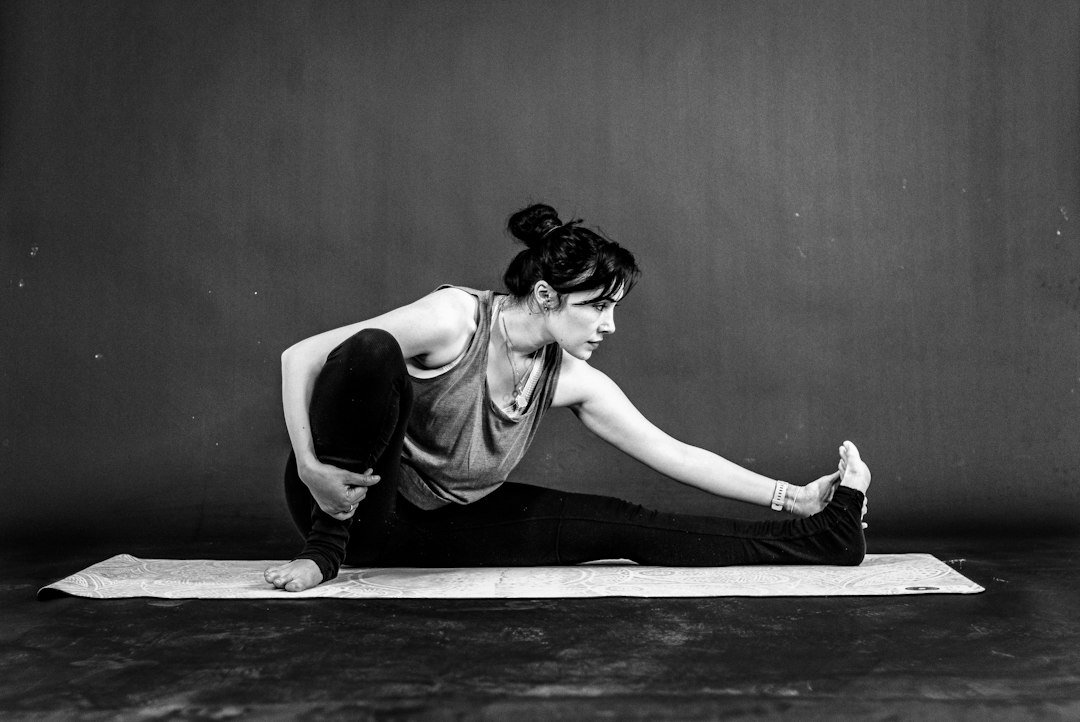
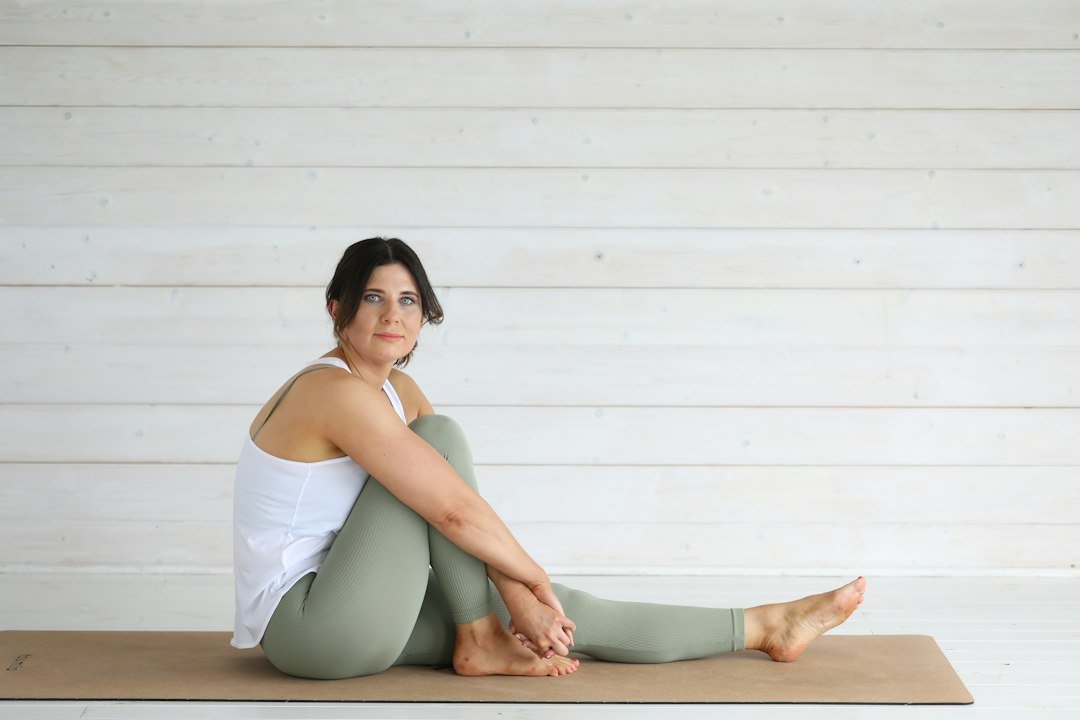
Seated on the edge of a chair or bed, extend one leg with the heel on the floor and flex the foot. Instead of forcing a deep reach, hinge from the hips and reach toward the ankle or shin while keeping a long spine. Do slow active reaches 6–8 times, finishing with a 15–20 second hold at the end range.
5. Calves and ankles: wall or step calf stretch (30–45 seconds per side)
Facing a wall, place both palms on it, step one foot back and press the heel down until you feel a comfortable stretch. Bend and straighten the knee a few times to mobilize the ankle through its range. Strong ankle mobility reduces compensations higher up the chain.
6. Thoracic rotation and shoulder mobility (30–60 seconds)
Seated or kneeling: place one hand behind your head and rotate the thoracic spine to open the chest toward the same-side elbow. Repeat 6 times each side. Follow with wall slides (hands up the wall, sliding overhead slowly) if your shoulders feel stiff.
7. Gentle core activation and exit (30–60 seconds)
Finish with 10–15 slow pelvic tilts or gentle knee hugs lying on your back to integrate the breath and re-center. Stand slowly, take 3 full breaths, and notice any improvements in ease of movement.
Where to simplify and when to add variety
If you’re pressed for time, choose three anchors: full-body wake-up, hip opener, and calf stretch. Those hit common tight areas and take under five minutes. As you build habit, vary the sequence twice weekly with a slightly longer 12–15 minute session that includes extra thoracic work or light balance challenges (single-leg stance, slow toe taps) to keep joints resilient.
Practical habit tips to make it stick

- Attach the routine to an existing morning cue—after brushing teeth or before coffee.
- Track repetitions or minutes for two weeks to build momentum, then switch to ‘do this before dressing’ as a simpler cue.
- Make environmental nudges—roll out a mat, leave a towel folded where you stretch, or set a gentle five-minute timer so you don’t overthink it.
When to progress and when to pause
Progress by increasing active range and adding repetitions, not by forcing deeper holds. If you feel persistent increased pain, swelling, or weakness, pause and seek professional evaluation. For most people, small daily doses are safer and more effective than occasional intense stretching sessions.
Consistency plus balanced lifestyle
Stretching supports mobility best when paired with regular walking, balanced meals to support tissue recovery, adequate sleep to reduce inflammation, and steady weight-management habits if relevant. Think of this routine as the morning lubricant—not the whole solution. Short bouts of movement across the day multiply benefits.
- Do 6–12 minutes of the routine within 30 minutes of waking.
- Prioritize pain-free range; stop for sharp pain.
- Use three-anchor short routine when rushed (wake-up, hips, calves).
- Attach to a morning habit and track for two weeks to form the routine.
- Add light walking or balance work a few times weekly for variety.
Gentle morning stretching for better mobility is about brief, consistent movements that wake joints and reduce stiffness. Start with a 6–12 minute top-to-bottom sequence, prioritize safety and habit-building, and expand slowly as you gain comfort and consistency.
How soon will I notice improved mobility?
Many people notice reduced stiffness within days, but lasting changes in range and function take several weeks of consistent practice. Small daily sessions beat sporadic long routines.
Can I stretch if I have arthritis or joint pain?
Gentle, pain-free movement is generally helpful; avoid forcing ranges that cause sharp pain. Check with a clinician for joint instability or recent flare-ups to tailor safe modifications.
Is static stretching better than movement-based stretches in the morning?
Movement-based (dynamic) stretches and short holds that include active muscle engagement are usually better for morning stiffness because they warm tissue and retrain movement patterns.
Should I do this before or after my morning workout?
Use this gentle sequence as a standalone morning mobility routine or as a warm-up before exercise. If you plan a higher-intensity workout, add more dynamic movement specific to that activity.