End result: a repeatable, flexible plan for balanced meals
This guide teaches a simple, sustainable way to plan balanced meals so you eat enough, enjoy food, and support weight and energy goals—without counting calories relentlessly or following strict diet rules. The approach uses a plate-based portion method, basic grocery and prep habits, simple recipes, and quick troubleshooting for real life.
Start with the plate: an easy visual rule that works every meal
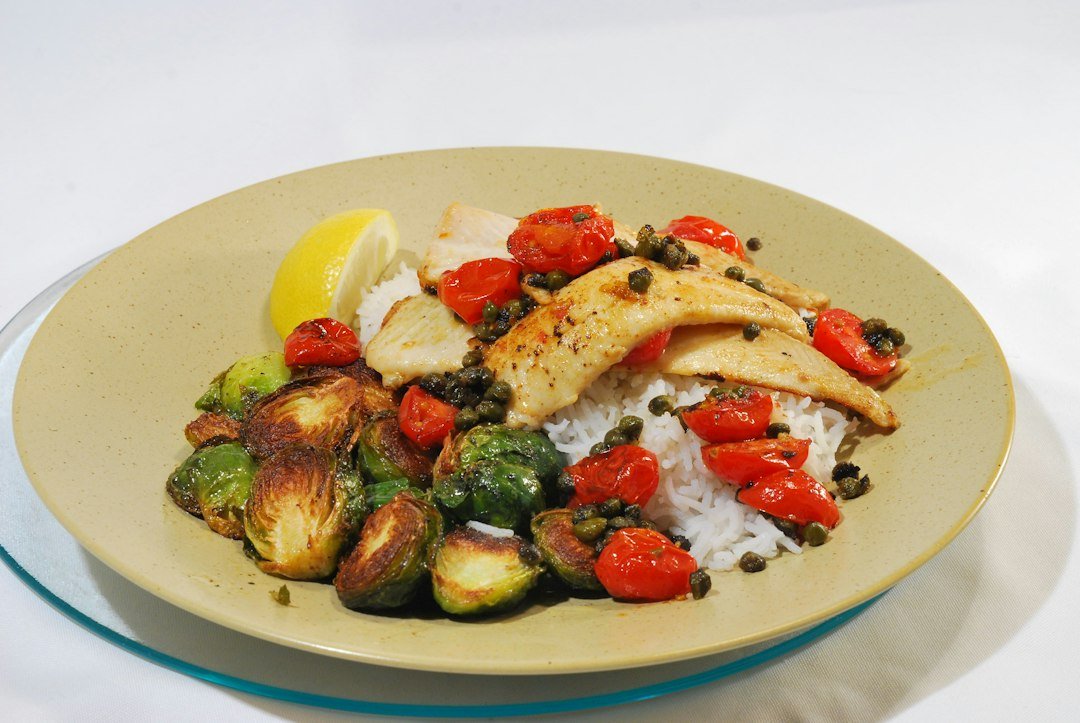
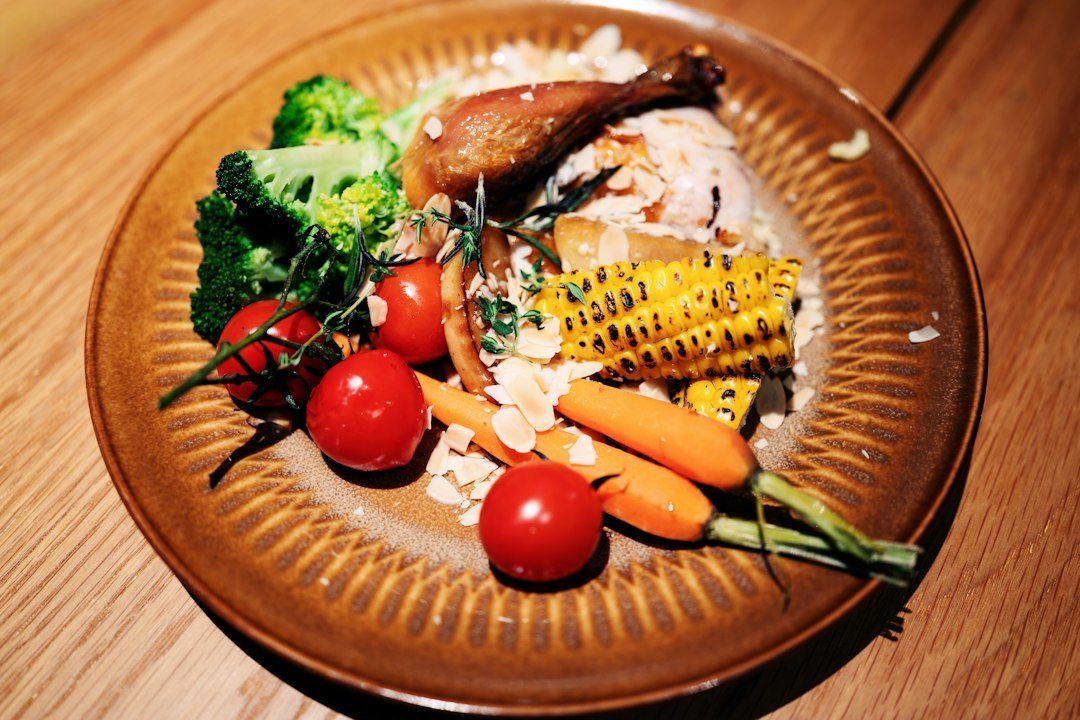
Use the plate method as your daily framework: roughly half vegetables and fruit, one-quarter lean protein, and one-quarter carbohydrate or starch, plus a small amount of healthy fat. This is the quickest way to build balanced meals without exact measurements.
- Vegetables & fruit (50%): aim for variety and color—leafy greens, crucifers, peppers, berries, apples. Cooked and raw both count.
- Protein (25%): fish, poultry, eggs, tofu, tempeh, legumes, or modest portions of lean red meat. For snacks, think yogurt, cottage cheese, or a handful of nuts.
- Carbohydrate/starch (25%): whole grains (brown rice, quinoa), starchy vegetables (potatoes, sweet potatoes), or whole-grain bread/pasta.
- Fat: add 1–2 teaspoons of olive oil, a quarter of an avocado, or 1–2 tablespoons of nut butter—useful for satiety and flavor.
Translate the plate into portions you can eyeball
You don’t need a scale. Use common cues:
- Protein: palm-sized for most adults (about 3–4 oz cooked) or one cup of beans/legumes.
- Starch/grain: fist-sized portion for one serving (about 1/2–1 cup cooked grain).
- Vegetables: two fistfuls or fill half the plate; leafy greens can be a larger volume.
- Fats: thumb-sized amount for oils or nut butters; a quarter avocado per meal.
Build a weekly grocery and prep routine that reduces decision fatigue
Planning once saves daily stress. Use this four-action mini-routine each week:
- Pick 3 proteins, 3 grains/starches, and 6 vegetables/fruit that pair well together (example: chicken, canned tuna, lentils; quinoa, potatoes, whole-grain wraps; broccoli, carrots, spinach, apples, bananas, berries).
- Make a 5–7 meal template (e.g., grilled protein + roasted veg + grain; grain bowl with beans + greens + vinaigrette; omelet with veg + toast) and slot proteins into templates across the week.
- Shop with a short list organized by store section to speed the trip and avoid impulse purchases.
- Prep 30–90 minutes after shopping: wash and chop vegetables, cook one grain and one protein to use across meals, and portion two or three ready-to-eat snacks (yogurt cups, sliced fruit, carrot sticks).
Simple meal-building examples you can rotate
Mix and match components from your weekly list into these fuss-free meals:
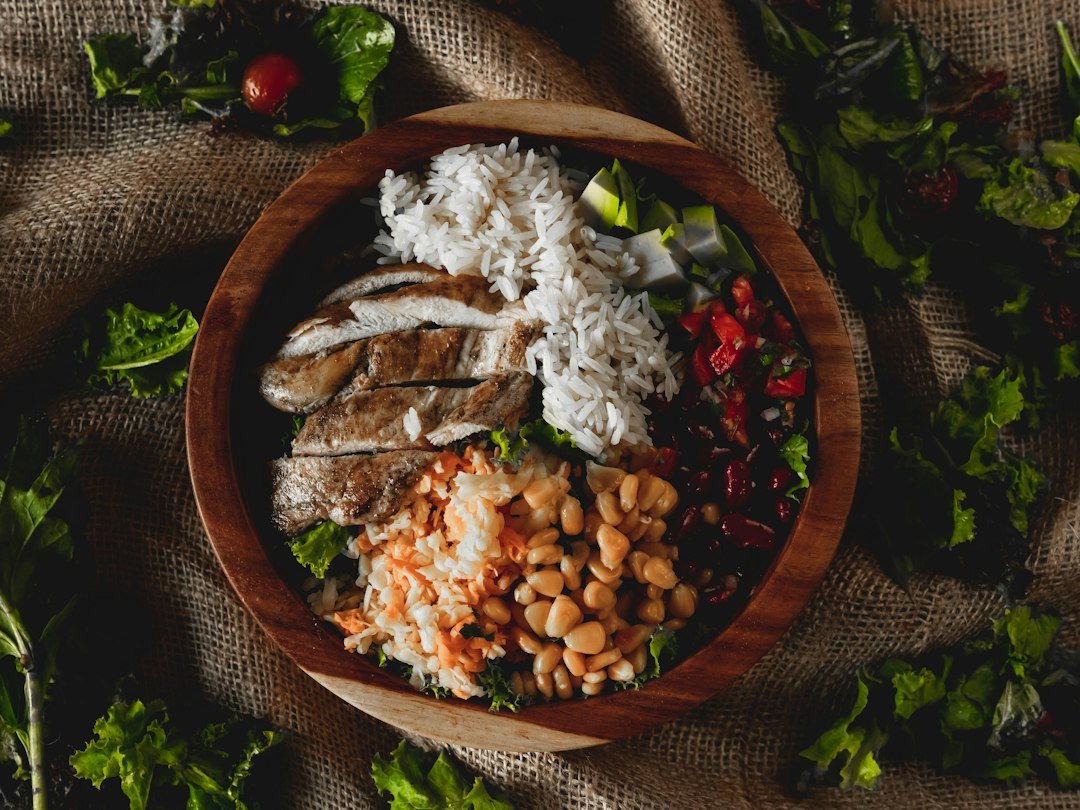
- Grain bowl: quinoa + roasted sweet potato + black beans + spinach + salsa + olive oil drizzle.
- Sheet-pan dinner: baked salmon + broccoli + small roasted potato; add lemon and a side salad.
- Wrap or sandwich: whole-grain wrap + sliced turkey or hummus + mixed greens + sliced pepper + yogurt-based sauce.
- Quick vegetarian: scrambled eggs or tofu + sautéed mixed veg + toast or a small baked potato.
Snacks and small meals that still count as balanced
Use the same plate logic scaled down: pair a carbohydrate with protein or fat to prevent spikes and cravings. Examples: apple slices + peanut butter, whole-grain crackers + cottage cheese, or a small bowl of yogurt with berries and a sprinkle of chopped nuts.
Adjusting for activity, weight goals, and appetite
If you’re more active or trying to gain muscle, increase the protein and carbohydrate portions (larger palm-sized protein, additional grain fist). If you're cutting overall energy without extreme restriction, slightly reduce the starch portion and increase nonstarchy vegetables to stay full while lowering calorie density.
[h3]When hunger or cravings challenge the plan[/h3]Use these practical tactics:
- Drink a glass of water and wait 10–15 minutes—thirst often masquerades as hunger.
- Add protein at the next meal or a small protein-rich snack now to stabilize blood sugar (e.g., boiled egg or Greek yogurt).
- If cravings persist, include a modest treat portion—complete elimination often backfires.
Make meals easier with cooking shortcuts
Time-saving techniques make consistency realistic:
- Batch-cook staples (grains, roasted vegetables, cooked beans) and use them all week.
- Use one-pan or one-pot recipes to reduce cleanup time.
- Keep a small selection of ready protein sources (canned tuna, rotisserie chicken when available, tofu) for emergencies.
- Use frozen vegetables and pre-washed salad greens—they’re nutritious and save time.
Mindful habits that support balanced meals
Small behavior changes help you keep this plan long-term:
- Eat without screens when you can; noticing hunger and fullness helps avoid overeating.
- Regular meal timing reduces extreme hunger—aim for meals every 3–5 hours depending on your schedule.
- Sleep and stress matter: aim for consistent sleep and build simple stress-relief habits (walks, stretching, short breathing breaks) that lower emotional eating triggers.
Troubleshooting common obstacles
Here are practical fixes for predictable problems:
- Too busy to cook: double a simple recipe once and freeze half; use leftovers as quick lunches.
- Boredom with food: rotate spices, switch cooking methods (roast vs. steam vs. grill), and pick one “new” ingredient each week.
- Eating out: use the plate rule—choose a vegetable-forward dish, add a protein, and avoid oversized carbs; share desserts or choose fruit.
- Budget constraints: buy whole legumes, seasonal vegetables, and frozen fruit; oats, eggs and canned fish are nutrient-dense, low-cost options.
- Choose 3 proteins, 3 grains/starches, and 6 vegetables/fruit each week.
- Use the plate rule: half veg, quarter protein, quarter starch each meal.
- Prep at least two staples after shopping (one grain, one protein or batch-roast veg).
- Keep 3 easy snack pairings (fruit+protein, crackers+cheese, yogurt+nuts).
- Plan one “flex” meal for dining out or social events.
Aim for balanced plates rather than strict rules: consistent, simple portions plus basic weekly prep create durable eating habits. Adjust portions for activity and appetite, and use small cooking shortcuts to keep the system sustainable.
How strictly should I measure portions?
For most people, eyeballing with palm- and fist-sized cues is enough; reserve scales for precise training or medical needs.
What if I still feel hungry after a balanced meal?
Increase protein and fiber-rich vegetables slightly, add a healthy fat, and check hydration and sleep—those influence appetite.
Is this approach compatible with weight management?
Yes; it focuses on nutrient-dense foods and portion awareness, which most people can sustain longer than extreme diets—personal results vary and consistency matters most.
How often should I change my meal rotation?
Rotate core ingredients every 2–4 weeks to avoid boredom while keeping shopping and prep efficient.