When you want to look put-together before a quick meeting or coffee run
Natural everyday makeup is what you reach for when you have ten minutes but still want to look like yourself—refreshed, awake and not overdone. This guide teaches straightforward, repeatable steps so beginners can get a polished look with minimal tools and decisions.
Start by prepping for a smooth, long-lasting base
Good makeup begins with skin that’s hydrated and primed. On clean skin, apply a lightweight moisturizer or a hydrating serum where skin feels tight. If you’ll be outdoors at all, use a daytime product with SPF or follow moisturizer with sunscreen; protection is part of a natural finish.
Next, if you want a little help with texture or longevity, smooth a pea-sized amount of silicone-free primer over the T-zone only (forehead, nose, chin) to reduce shine and help thin layers of products glide on evenly.
Choose light coverage: tinted moisturizer, BB/CC cream or sheer foundation
For a natural everyday makeup look, pick a light-coverage base. Apply a tinted moisturizer or BB cream with clean fingers, a damp sponge, or a dense flat brush using thin layers. Focus on the center of the face (nose, under-eye, cheeks, forehead) and blend outward to avoid heavy edges.
Tip: Start with less than you think you need. Add small extras only where you want more coverage—typically around the nose, mouth sides, or any stubborn redness.
Conceal only where it matters
Use a small amount of concealer for under-eye darkness or a few blemishes. Apply dots, let it sit for a few seconds, then gently tap with your ring finger or a damp sponge until edges disappear into the base. Avoid dragging; tapping preserves coverage without removing product.
Sculpt subtly: cream blush and bronzer for a skin-like glow
Cream products melt into the skin and look more natural than powders. Smile and dab a pea-sized amount of cream blush on the apples of the cheeks, then sweep it back toward the hairline. For a hint of warmth, lightly sweep cream bronzer where the sun hits—forehead edge, cheek hollows and jawline—using a soft, sweeping motion.

Blend with fingers or a sponge; the warmth of your skin helps creams integrate seamlessly. If you prefer powder, use a fluffy brush to dust sparingly—less is more for natural looks.
Define brows and lashes without overdoing it
Brows frame the face. Use a tinted brow gel or a fine, short-stroke pencil to fill small sparse areas, then brush through with a spoolie to soften. Aim for shape and hair-like strokes, not solid block color.
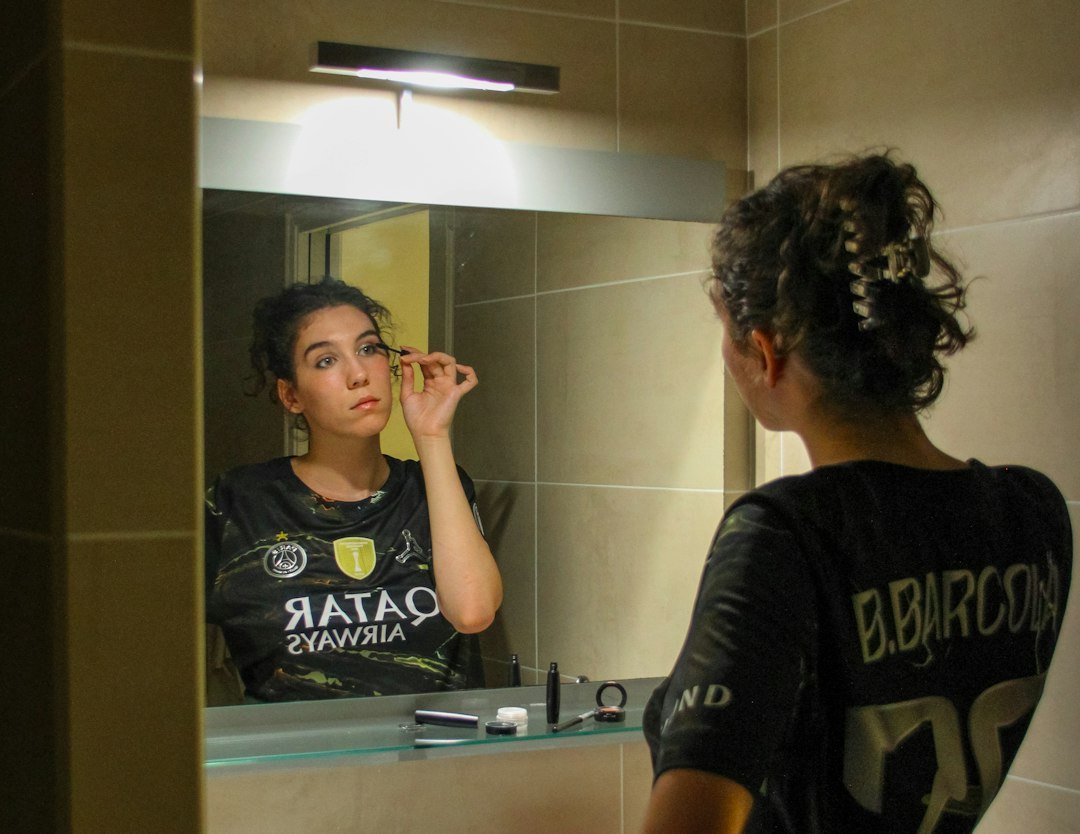
For lashes, apply one coat of mascara to the top lashes only, concentrating at the roots to lift the eye. If you want a softer result, wipe excess off the wand on a tissue before applying.
Keep eye makeup minimal and purposeful
A single neutral shade across the lid (a cream, light taupe, or soft peach) brightens without calling attention. Apply with a finger for cream shades or a soft brush for powders; blend into the crease to avoid a harsh line. Skip heavy eyeliner; instead, tightline the upper waterline or add a tiny shadow close to the lash base for subtle definition.
Finish with a natural lip and a setting strategy
Choose a tinted balm, sheer lip tint or a dab of cream blush on the lips for color that moves with you. Pat product on with your finger for a diffused, lived-in finish. Blot lightly if you want a softer look.
To set everything briefly: lightly dust a small brush with translucent powder and press only where you expect shine (T-zone). Alternatively, use a small spritz of hydrating facial mist to meld layers—avoid over-spraying, which can remove cream products.
Quick five-minute routine (practical sequence)
- Moisturize and SPF if needed.
- Apply tinted moisturizer sparingly, blend outward.
- Tap concealer under eyes or on blemishes.
- Dot cream blush on apples of cheeks, blend back.
- Brush brows, one coat of mascara, and apply tinted lip balm.
Adjustments for different skin types and tones
Dry skin: favor hydrating tints and cream products; avoid heavy powders. Oily skin: use light water-based formulas and set only the center of the face with a small bit of powder. Mature skin: skip thick foundations and choose sheer, luminous coverage; avoid powder in fine-line areas.
For deeper skin tones, use cream bronzers and blushes that read slightly richer to remain visible without looking artificial—blend well to keep the finish natural.

When to simplify even more
On busy days, focus on three things: even skin tone (tinted moisturizer), lifted eyes (mascara), and polished brows or lips. That trio gives immediate confidence while keeping the routine under five minutes.
- Moisturize and apply SPF when needed.
- Use a light coverage base and add concealer only where required.
- Prefer cream blush/bronzer for a skin-like finish.
- Groom brows and apply one coat of mascara to upper lashes.
- Seal with tiny amounts of powder or a light mist—don’t over-set.
Choose a short, repeatable routine focused on hydrating the skin, light coverage, and three defining points (cheeks, brows, lashes). Practicing the sequence and reducing product layers will yield a natural look you can finish in five to ten minutes.
How long does a natural everyday makeup routine take?
With practice, the core routine (moisturizer, tinted base, concealer, cream blush, brow brush, mascara, lip tint) can take 5–10 minutes.
Can I do natural makeup if I have oily skin?
Yes—choose water-based tints, mattifying primer on the T-zone if needed, and set only areas prone to shine with a light dusting of powder.
Are cream products better than powders for a natural look?
Creams often look more skin-like because they blend into the skin; powders work well on oily skin or when you want longer wear, used sparingly.
How do I make concealer look less heavy?
Apply a small amount, let it settle briefly, and tap gently to blend; thin, buildable layers avoid a cakey finish.
What’s the easiest way to shape brows naturally?
Brush brows up and out with a spoolie, fill tiny gaps with short strokes, then set with a clear or tinted gel for hold and texture.