
You step outside for a 20-minute walk to the train, coffee shop or mailbox — how do you protect your skin?
End result: keep daily UV damage low without overcomplicating your routine. The goal is a simple, repeatable set of habits that reduce cumulative sun exposure during commuting, errands and outdoor breaks.
Core approach: layer predictable protection for the face and exposed skin
Think of protection as three layers you can mix and match: time & place (when and where you’re outside), physical barriers (clothing, glasses, shade), and topical sunscreen. Use all three to minimize reliance on any single method.
1. Plan for the moments you actually get sunlight
- Identify routine exposure windows: morning commute, midday lunch, afternoon errands, driving. Those short exposures add up.
- When possible, shift outdoor tasks to before 10 a.m. or after 4 p.m. to reduce peak UV, especially in summer.
- Use micro-planning: walk on shaded sides of streets, take covered entryways, use a café table under an awning.
2. Use physical barriers that fit your life
Clothing and accessories block most UV without daily thought. Choose items you’ll actually wear rather than idealized gear.
- Hats: a wide-brim hat (2–3 inches) protects face and neck. If you prefer a cap, combine it with sunglasses and sunscreen on the neck.
- Sunglasses: pick large or wrap styles with good side coverage; they protect eyelids and reduce squinting, which prevents skin creasing.
- Light layers: long, breathable sleeves and a thin jacket are effective for commuting. Fabrics with tighter weaves block more; lightweight cotton, linen blends or gauze can be sufficient when layered.
- Shade tools: a compact umbrella or an office awning route can cut exposure dramatically for short walks.
3. Make topical sunscreen routine practical
“Everyday sunscreen” works best when it becomes automatic. Use formulas you enjoy and keep them where you’ll use them.

Morning application
Apply sunscreen as the last step in your morning skincare routine, before makeup or after tinted moisturizer. For the face, neck and hands use a broad-spectrum SPF 30 or higher. Use about a nickel-sized amount for the face and a bit more if you include neck and ears.
During the day — reapplication strategies
- Reapply every two hours if you’re outdoors continuously; for intermittent exposure (short walks), reapply mid-day or after long outdoor periods.
- Make reapplication realistic: keep a small sunscreen stick or SPF lip balm in your bag, and a travel lotion at the office. Sticks are fast for the face and hairline without disturbing makeup.
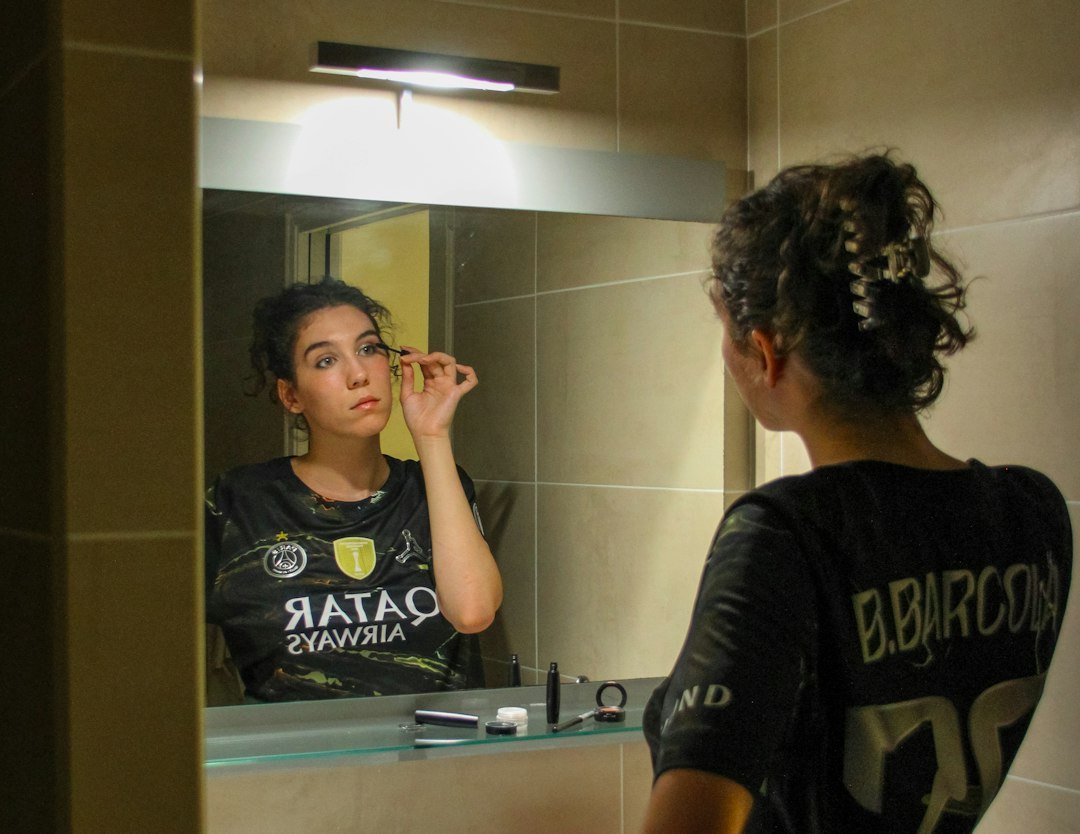
- If you wear makeup, schedule reapplication with a midday break—use a sunscreen stick over powder or apply sunscreen then blot and touch up makeup if needed.
4. Protect commonly missed areas
People often forget ears, hairline, eyelids, lips and the back of the hands. Address each with a quick habit:
- Ears and neck: spread remaining sunscreen from your hands outward to cover ears and the nape; a hat helps here too.
- Eyelids: use sunglasses or a small amount of facial sunscreen applied with ring finger; avoid getting product into eyes.
- Lips: keep SPF lip balm in a pocket or bag and apply before leaving the house and after eating or drinking.
- Hands: apply sunscreen after washing hands; reapply whenever you expect to be outdoors again.
5. Match protection to context — commuting, office, errands
Practical examples make routines stick.
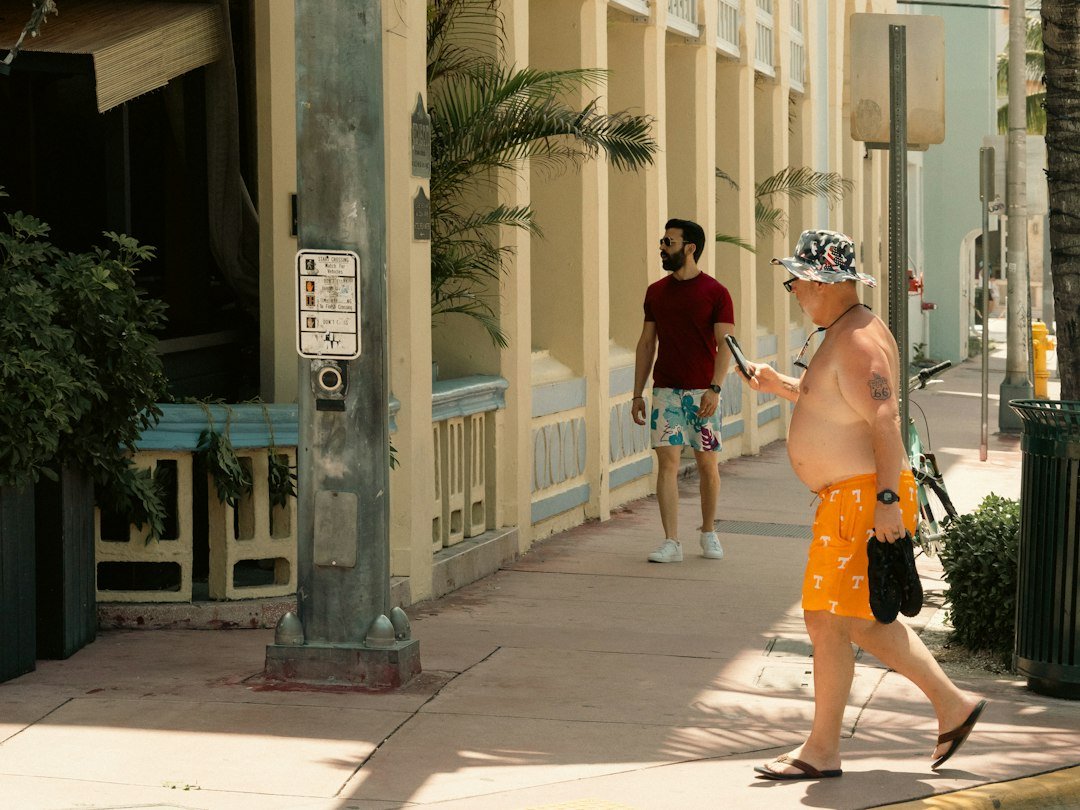
- Urban commuter: Apply face sunscreen in the morning, wear sunglasses, carry a stick sunscreen for a midday touch-up, and choose a light jacket for uncovered hours.
- Office worker with window exposure: add a broad-spectrum sunscreen to your morning routine and consider a wide-brim hat outdoors; close shades or apply a portable UV film to work windows if glare is strong.
- Parent running errands: keep an SPF lip balm, a lightweight sunhat for toddlers and a sunscreen spritz in the stroller for quick reapplications.
6. Build habits that last — cues, placement and small adjustments
- Place sunscreen where you’ll see it: next to your toothbrush, by the keys, or in the coffee station at work.
- Use phone reminders for midday reapplication if you’re frequently outdoors for more than an hour.
- Pair a sun habit with an established one: apply sunscreen after moisturizer, before putting on shoes, or while your coffee brews.
Troubleshooting and adaptations
- Oily or acne-prone skin: choose non-comedogenic sunscreens and apply with a light touch; consider mineral-based sticks if chemical textures cause irritation.
- Sensitive skin or rosacea: test a small patch on the jawline before full-face use and reapply with a gentler stick or mineral formula if tolerated.
- Makeup wearers: use a sunscreen primer or a tinted moisturizer that contains SPF as your base, then reapply with a translucent powder containing SPF or a sunscreen stick for touch-ups.
- When sweating or after water exposure: reapply immediately when you can; water-resistant labels indicate longer protection but still require reapplication per the manufacturer’s timing (usually 40–80 minutes of water exposure).
Lifestyle trade-offs worth making
A little planning reduces cumulative UV: a hat and sunglasses are low-effort wins; a small, pleasant-feeling sunscreen you want to use is worth prioritizing. If one habit is more likely to stick, start there and layer the others over time.
Final note
Protecting your skin from everyday sun exposure is about consistent small actions more than occasional intense measures. Use layers you can actually keep up with, cover commonly missed areas, and make reapplication simple.
- Apply broad-spectrum SPF 30+ to face, neck and hands every morning.
- Wear sunglasses and a hat when you’ll be outdoors for >10 minutes.
- Keep a sunscreen stick or SPF lip balm in bag for mid-day touch-ups.
- Choose shaded routes and close office blinds during peak sun hours.
- Reapply after heavy sweating, swimming, or two hours outdoors.
Make sun protection habitual by combining timed planning, simple physical barriers and a reliable sunscreen routine you’ll actually use. Small, repeatable choices—hat, sunglasses, morning SPF and a portable reapplication option—add up to meaningful daily protection.
Do I need sunscreen if I’m only outside for 10–15 minutes?
Short exposures contribute to cumulative UV damage; apply sunscreen for daily outdoor time, or use a hat and sunglasses if you prefer not to use topical SPF every day.
How often should I reapply sunscreen during errands?
Reapply after about two hours of continuous outdoor time or immediately after heavy sweating or water exposure; for brief intermittent trips, a mid-day reapplication is a practical compromise.
Can makeup with SPF replace sunscreen?
Tinted moisturizers or foundations with SPF can be part of your protection but often don’t provide enough quantity or even coverage, so apply a proper sunscreen base first when possible.
What’s the easiest way to protect my lips and ears?
Carry an SPF lip balm and use a stick sunscreen or spread leftover face product to cover ears and the hairline; a hat provides added protection for both areas.
Is window glass protection enough when I sit by a sunny window?
Standard window glass blocks most UVB but allows UVA through; add a daily face sunscreen if you spend long hours near windows or consider UV-filtering window film for persistent indoor exposure.