
You stand at the fridge at 8 p.m., tired, hungry and unsure whether to snack or make something. Which choice fits a long-term plan?
Sustainable weight loss habits start by breaking those everyday moments into clear, repeatable actions. Below is a practical sequence you can use each day: movement, consistent exercise, balanced eating, sleep and recovery, and small habit supports. Each section explains why it matters and how to simplify rather than add more complexity.
Start the day with an easy movement habit
Why it belongs first: starting with movement removes decision fatigue and sets a tone of activity for the rest of the day. You don’t need an hour; you need consistency.
- Morning 10–20 minute walk or dynamic mobility routine: aim for something you can do before your schedule tightens. A brisk walk, an easy bike ride, or a 12-minute bodyweight circuit (squats, push-ups off a counter, hip hinges, and planks) works.
- When to scale: on busier days, do a 7-minute routine—enough to raise heart rate and keep the habit alive.
- How to make it automatic: link it to an existing cue (after coffee, after waking, or after dropping kids at school) and put shoes or a mat where you’ll see them.
Build consistency with a simple exercise routine you can sustain
Why this matters: muscle mass and consistent activity help regulate appetite and burn calories over time. The key is manageable frequency and progressive effort.
- Plan three weekly sessions you can keep: two resistance sessions (30–40 minutes) and one moderate cardio session (30–45 minutes). Resistance can be bodyweight, dumbbells, or resistance bands.
- Focus each resistance session on compound moves: push, pull (or row), hinge, squat, and core. Example: 3 rounds of 8–12 reps per move with 60–90 seconds rest.
- Progress simply: add 1–2 reps or 5–10% weight every 2–3 weeks, or reduce rest time. If progress stalls, change one variable so the routine stays stimulating but not overwhelming.
- Simplify for travel or busy weeks: a 20–25 minute hotel-room bodyweight session preserves consistency.
Make balanced eating habitual, not perfect
Shifting the default plate is more sustainable than strict rules. The goal is reliable patterns, not perfection.
- Plate composition: aim for half non-starchy vegetables, one-quarter lean protein, and one-quarter whole grains or starchy vegetables. This reduces hunger spikes and stabilizes blood sugar.
- Portion control through containers or your hand: palm-sized protein, cupped hand for carbs, fist-sized vegetables, thumb for fats. This is faster and less brittle than exact calorie counts.
- Protein at each meal: helps satiety and preserves muscle when weight drops. Think eggs, yogurt, beans, chicken, tofu, fish, or tempeh.
- Deal with cravings with rules: allow a modest portion of the treat you enjoy (e.g., 1 small cookie) so you aren’t likely to binge later. Schedule it rather than forbid it.
- Simple meal prep: cook one protein and one grain ahead for 2–3 days; keep washed salad greens and chopped veg visible in the fridge to lower friction at mealtime.

Use timing and small habits to reduce overeating
Small structure around meals reduces impulsive snacking without adding heavy rules.
- Regular meal rhythm: eating roughly every 3–4 hours stabilizes hunger. If you skip meals, you’re more likely to overeat later.
- Mindful pauses: when you feel compelled to snack, pause for 5 minutes and drink a glass of water. Often thirst, boredom or habit masquerade as hunger.
- Environment edits: keep high-calorie snacks out of sight or in single-serve portions; make healthy snacks the easy choice (cut fruit, yogurt, hummus and veg in clear containers).
Prioritize sleep and recovery
Why it’s necessary: poor sleep raises appetite hormones and reduces energy for exercise. Improving sleep is a high-return habit for sustainable weight control.
- Set a sleep window: aim for consistent bed and wake times even on weekends. Start by shifting 15 minutes per night toward your goal bedtime.
- Wind-down routine: dim lights 30–60 minutes before bed, avoid heavy screens or use blue-light filters, and do a short relaxation practice like 5–10 minutes of deep breathing or reading.
- Active recovery: include easy days (light walking, stretching) to let muscles repair and keep motivation high.
Use habit stacking and tracking lightly to keep progress visible
Small tracking and stacking choices keep behaviors intact without obsession.
- Stacking: attach a new habit to an existing one—after brushing teeth, do two sets of bodyweight squats; after lunch, take a 10-minute walk.
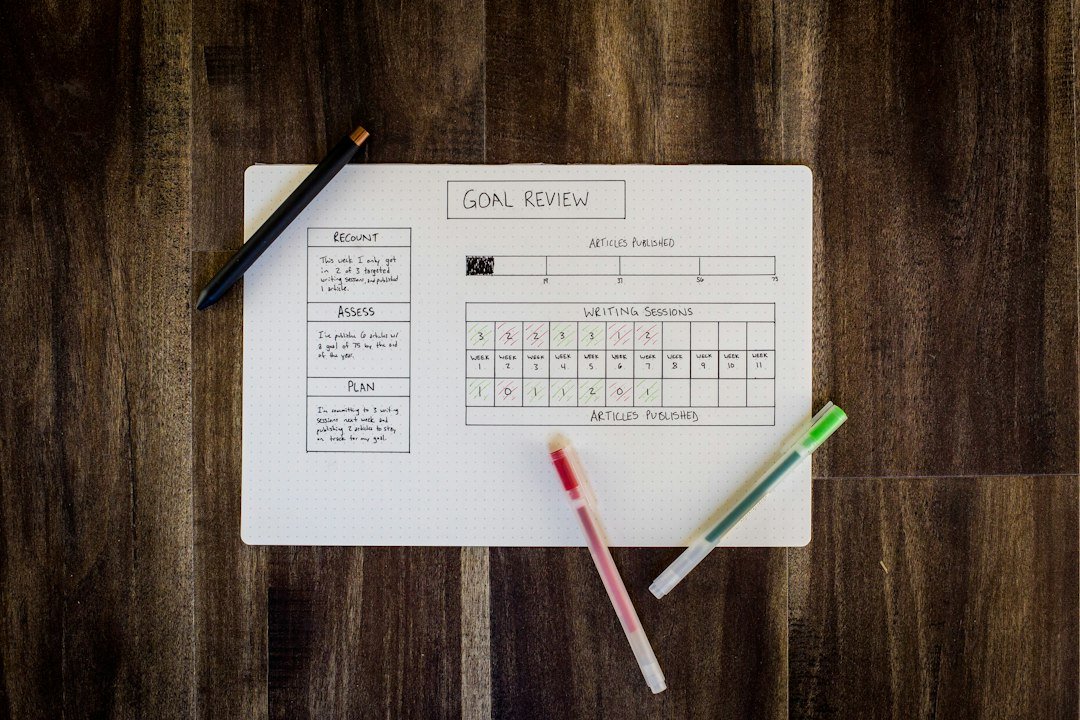
- Weekly check-ins: once per week, reflect on what worked, which obstacles appeared, and set one small experiment for the next week (e.g., swap refined carbs at dinner for extra vegetables).
- Non-scale wins: notice improved energy, clothes fitting differently, better sleep, or stronger lifts—these sustain motivation better than the scale alone.
Common adjustments and when to simplify
People often overcomplicate. If a plan isn’t sticking after two weeks, simplify: reduce session length, lower frequency, or swap a rule for a flexible alternative. The real aim is something you will keep doing in six months.

- Move for 10–20 minutes each morning or immediately after work.
- Complete two resistance sessions and one cardio session weekly (adjust duration to fit your life).
- Fill half your plate with vegetables at main meals; include protein every time.
- Set consistent sleep and wake times; wind down 30–60 minutes before bed.
- Use 1 weekly check-in to plan one simple experiment for the next week.
Long-term weight management is a pattern of small, repeatable choices: daily movement, sustainable exercise frequency, balanced meals, and steady sleep. Prioritize consistency, simplify when needed, and track progress by how you feel and perform rather than short-term scale swings.
How fast should I expect weight changes?
Rates vary widely; focus on establishing habits first. Sustainable weight change often happens gradually—over months—so use behavior and performance improvements as your guide.
Do I need to count calories to succeed?
Not necessarily. Many people succeed by using plate balance, portion rules (hand method), and meal structure. Calorie tracking can help some people learn portions but isn’t mandatory.
What if I miss workouts or sleep sometimes?
Missed sessions are normal. Prioritize consistency over perfection: return to the routine the next day and adjust expectations rather than abandoning habits.
How can I stay motivated long term?
Set process goals (e.g., "walk 30 minutes 5x/week") rather than outcome-only goals, celebrate small wins, and choose activities you enjoy so you’ll keep doing them.